Valladolid Mexico Travel Portal & Tours Guide
Discover ancient Mayan temples at Ek' Balam and Chichén Itzá, subterranean cavern cenotes, pastel colonial architecture, and authentic Yucatecan gastronomy in the heart of the Yucatán Peninsula.
Top-Rated Valladolid Mexico Tours & Day Trips
Reserve verified excursions to Chichén Itzá, secret cenotes, and colonial city walking routes with flexible free cancellation options.
 Bestseller

 Bestseller
 Likely to Sell Out
 Bestseller
 Likely to Sell Out
Must-See Landmarks in Valladolid Mexico
Plan your itinerary across historic convents, subterranean sinkholes, and pre-Hispanic Mayan archaeological zones.
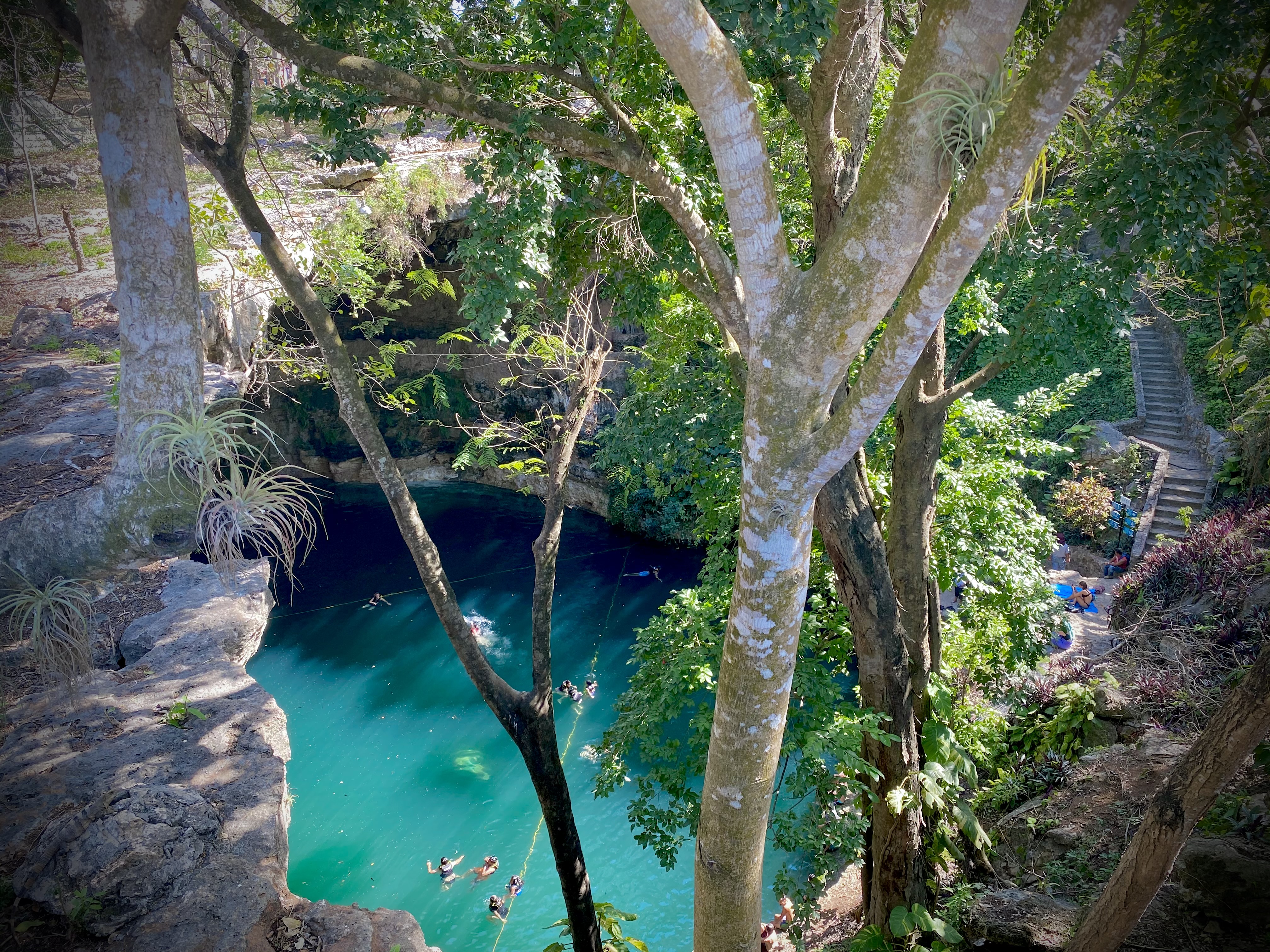
Cenote Zací
Massive open-air natural sinkhole located right inside downtown Valladolid. Features high limestone ledges, cliff jumping platforms, and blue waters surrounded by hanging vines.
- Entry Fee: 150 MXN (~$8 USD) cash only
- Operating Hours: Daily 9:00 AM – 5:30 PM
- Special Provision: Entry fee is waived with 100–200 MXN meal purchase
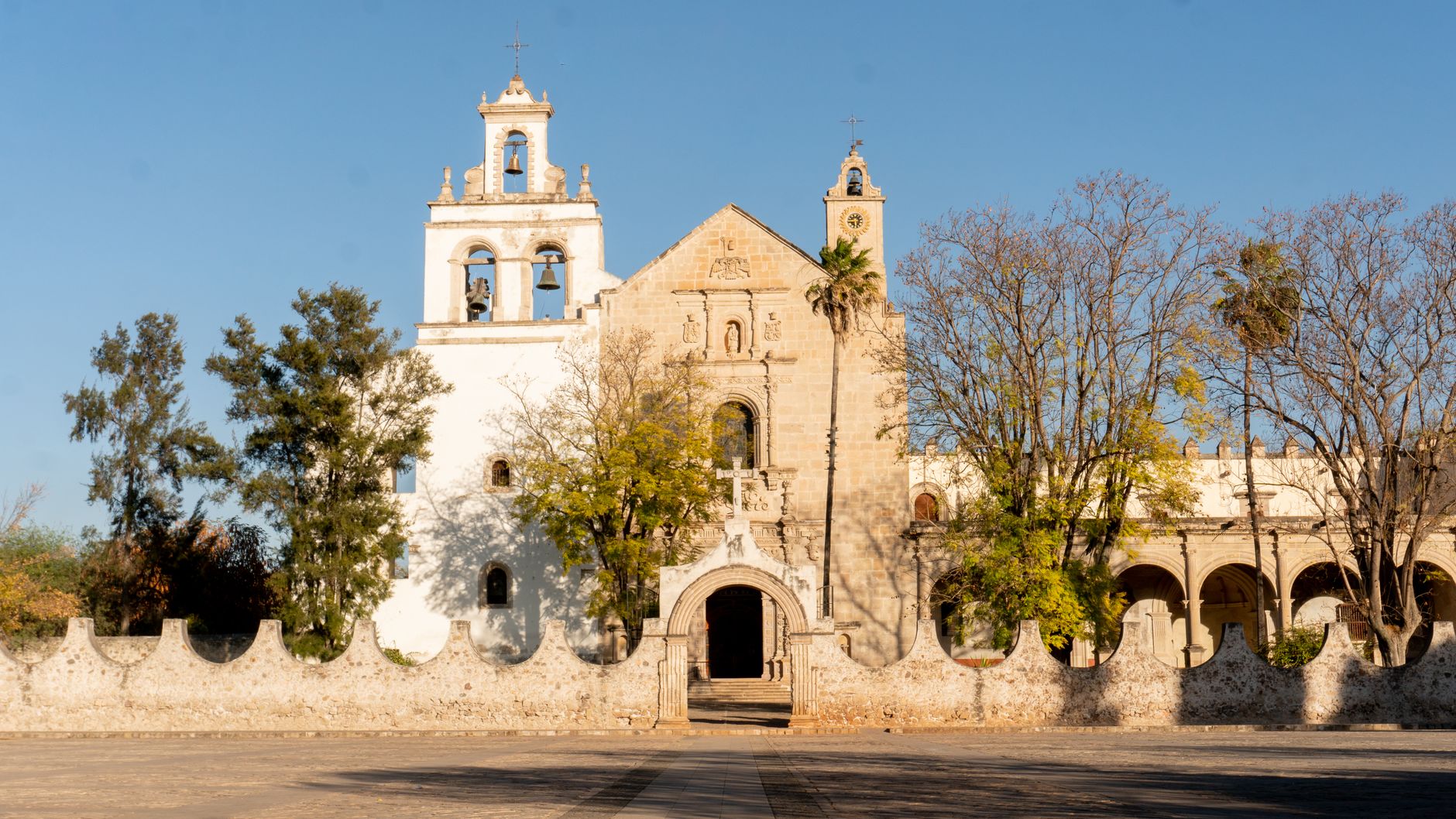
Convento de San Bernardino de Siena
Franciscan monastery complex constructed in 1552 over a sacred Mayan cenote in the Sisal neighborhood. Features ancient cloisters and nightly light projection shows.
- Museum Entry: 20–40 MXN (~$1–$2 USD)
- Hours: Tue–Sun 9:00 AM – 5:00 PM
- Light Show: Free nightly at 9:00 PM (ES) & 9:20 PM (EN)
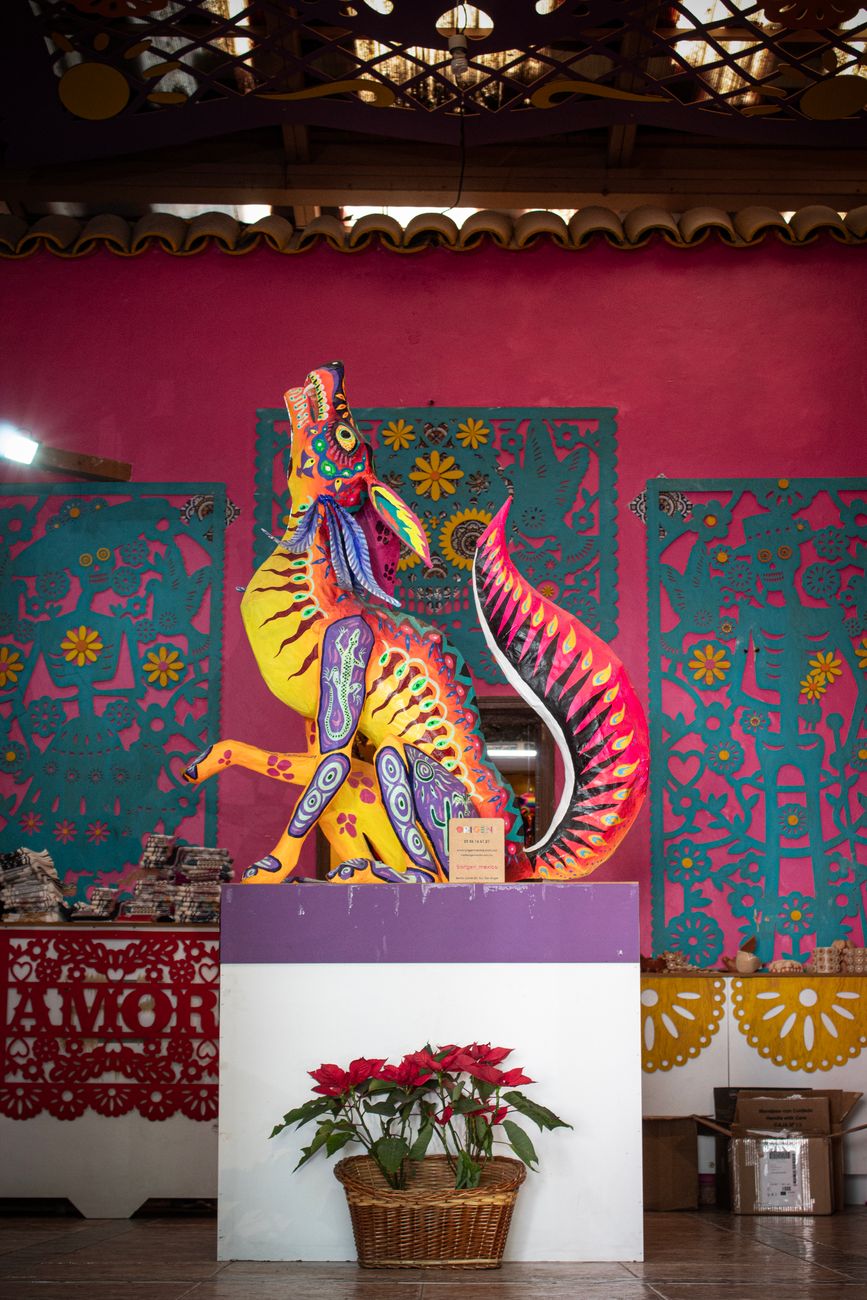
Casa de los Venados
Restored 18th-century colonial mansion containing over 3,000 museum-quality pieces of Mexican popular art. Daily guided tours explain handcrafted wooden carvings and ceramics.
- Donation: 100 MXN (~$5–$6 USD) cash
- Hours: Daily 10:00 AM – 4:00 PM
- Charity Impact: 100% of proceeds fund local healthcare

Ek' Balam Archaeological Zone
Ancient Mayan city 28 km north of Valladolid. Renowned for its massive Acropolis pyramid with intact plaster stucco wall relief carvings and uncrowded stone plaza paths.
- Adult Entry: 561 MXN (~$30 USD)
- Hours: Daily 8:00 AM – 5:00 PM
- Colectivo Fare: 70 MXN from Calle 37

Chichén Itzá World Wonder
UNESCO World Heritage site situated 40 km west of Valladolid. Home to El Castillo step-pyramid, Mesoamerica's largest ballcourt, and the Sacred Cenote.
- Distance: 45-minute drive from downtown
- Hours: Daily 8:00 AM – 5:00 PM
- Transit: 40–50 MXN colectivo from Calle 39

Cenote Samulá & Xkékén (Dzitnup)
Twin subterranean cave cenotes located inside enclosed stone domes 7 km southwest of Valladolid. Light shafts penetrate small roof openings, illuminating natural cavern pools.
- Location: 7 km southwest of city center
- Hours: Daily 8:00 AM – 5:00 PM
- Colectivo Fare: 20–60 MXN from ADO station
Understanding Valladolid Yucatán Mexico: History, Geology & Culture
Valladolid is situated at geographical coordinates 20.6900488, -88.2038211 in the eastern portion of Yucatán state. Founded originally in 1543 by Spanish conquistador Francisco de Montejo on the ancient Mayan settlement of Zací (meaning White Heron), the town earned official designation as one of Mexico's Pueblos Mágicos (certified by the Yucatán Secretariat of Tourism SEFOTUR) due to its rich colonial architecture, deep indigenous traditions, and living Mayan heritage. Learn more about top things to do in Valladolid, discover subterranean cenotes, or browse colonial boutique hotels.
Geographical UX Alert for Travelers
When searching for flight connections, local transport, or event schedules online, ensure you search specifically for Valladolid Mexico or Valladolid Yucatán. Algorithmic cross-contamination frequently pulls municipal records from Valladolid, Spain, such as Campo Grande park, Plaza Madrid, or AVE high-speed train routes which have no connection to Yucatán Mexico.
Practical Logistics & Live Weather
Real-time weather data, location reference, and interactive Google Map coordinates.
Why Valladolid is Yucatán's Definitive Travel Base
Founded in 1543 over the ancient Mayan ceremonial city of Zací, Valladolid represents the authentic heartbeat of the Yucatán Peninsula. While millions of travelers remain confined to the all-inclusive resort corridors of Quintana Roo, independent explorers who venture 160 kilometers inland discover a vibrant colonial city defined by pastel facades, tranquil stone courtyards, underground cavern swimming holes, and living Maya traditions.
🏛️ 1. Colonial Majesty & Living History
Stroll along the historic Calzada de los Frailes, framed by restored 16th-century colonial townhouses painted in ochre, terracotta, and soft turquoise. Visit the fortress-like Convento de San Bernardino de Siena in the Sisal neighborhood, where Franciscan monks constructed a massive stone bastion over a sacred cavern cenote in 1552.
🌊 2. The Great Subterranean Cenote Hub
Valladolid sits atop the world's most dense concentration of limestone sinkholes. Swim in Cenote Zací right in the middle of downtown, plunge into the jungle waters of Cenote Hacienda Oxman via its famous rope swing, marvel at the solar light beam on Cenote Suytun's circular stone platform, or explore the twin subterranean caverns of Dzitnup (Xkekén and Samulá).
🏺 3. The Unrivaled 8:00 AM Ruins Advantage
Because Valladolid is located just 42 km east of Chichén Itzá and 30 km south of Ek' Balam, local travelers can reach the archaeological gates at 8:00 AM sharp. By the time Cancun tour coaches arrive at 10:30 AM in the blistering midday heat with thousands of passengers, early risers from Valladolid have already experienced El Castillo in complete acoustic tranquility.
Valladolid Regional Travel Matrix (2026)
Essential travel logistics, distances, transit times, and estimated costs from central Valladolid.
| Destination / POI | Distance | Best Transit Mode | Transit Time | Estimated Cost (MXN / USD) |
|---|---|---|---|---|
| Chichén Itzá Ruins | 42 km | Colectivo minivan (Calle 39) | 40–45 min | 40–50 MXN (~$2.50 USD) |
| Ek' Balam Acropolis | 30 km | Colectivo taxi (Calle 37) | 30 min | 70 MXN (~$3.80 USD) |
| Cenote Zací | 0.5 km (Downtown) | On foot from Zócalo | 7 min walk | 150 MXN (Waived with restaurant order) |
| Cenote Hacienda Oxman | 5.5 km | Bicycle rental or Taxi | 12–20 min | 100–120 MXN taxi / 150 MXN entry |
| Cancun Airport (CUN) | 160 km | ADO Coach or Toll 180D | 2h 15m | 260–340 MXN (~$15–$19 USD) |
| Playa del Carmen | 140 km | ADO First-Class coach | 2h 45m | 260–310 MXN (~$14–$17 USD) |
| Tulum Centro | 102 km | ADO Coach (Hwy 109) | 1h 40m | 180–220 MXN (~$10–$12 USD) |
| Mérida (State Capital) | 160 km | Tren Maya or ADO coach | 55m (Train) / 2h 15m (Bus) | 350–505 MXN (Train) / 240 MXN (Bus) |
Yucatecan Gastronomy: What to Eat in Valladolid
Valladolid is recognized across Mexico as a capital of ancestral culinary tradition. Here, ancient Maya cooking techniques converge with Spanish Seville influences. The cornerstone of local cuisine is the píib—an underground earth oven lined with heated stones, fragrant wood, and wild banana leaves.
Lomitos de Valladolid
The city's iconic signature dish: tender diced pork simmered in a spiced tomato and serrano pepper sauce, finished with hard-boiled egg whites and black refried beans.
Cochinita Pibil
Suckling pork marinated in sour Seville orange juice and ground achiote seeds, slow-roasted underground wrapped in wild banana leaves until fork-tender.
Sopa de Lima
Golden chicken and vegetable consommé infused with bitter native Yucatecan limes, shredded turkey, and crispy hand-fried tortilla strips.
Evening Marquesitas
A beloved evening street treat: thin, crispy rolled wafers cooked on heavy waffle irons in Parque Principal, filled with melted Nutella and shaved Edam cheese (queso de bola).
The Historic Neighborhoods (Barrios) of Valladolid
Beyond the central plaza, Valladolid is composed of distinct historic barrios, each constructed around its own 16th-century Franciscan chapel, tranquil stone square, and distinct neighborhood culture.
Barrio de Sisal
Located at the southwestern terminus of Calzada de los Frailes. Home to the towering fortress-monastery of San Bernardino de Siena. Sisal is Valladolid's bohemian epicenter, filled with open-air cafes, boutique mezcalerías, artisanal craft shops, and tranquil courtyards. Every evening at 9:00 PM, visitors gather on the grassy convent park to watch the free historic video mapping projection.
Barrio de la Candelaria
Situated just north of downtown. Centered around the bright red and white Iglesia de la Candelaria, this barrio hosts the city's largest annual religious fiesta every February. Its shaded park is lined with arched colonial colonnades, family-run guesthouses, peaceful hostels, and traditional Yucatecan textile workshops where local artisans hand-embroider traditional Maya huipiles.
Barrio de Santa Ana
A historically indigenous Maya neighborhood east of the main square. Santa Ana has a distinct village atmosphere, featuring a rustic stone chapel constructed in the 16th century, quiet streets shaded by flowering flamboyant trees, and small, authentic neighborhood loncherías serving fresh panuchos, cochinita tortas, and handmade tamales torteados at local prices.
Barrio de San Juan
Located south of the Zócalo, Barrio de San Juan is famous for its bright yellow church and peaceful neighborhood square with wrought-iron benches. It serves as a peaceful residential haven for long-term travelers and digital nomads seeking restored colonial rental homes with stone walls, swimming pools, and high-speed fiber internet.
Valladolid Cultural & Festivals Calendar (2026–2027)
Experience the living traditions of the Maya and colonial Yucatán by aligning your travel itinerary with Valladolid's most celebrated civic and spiritual festivals.
| Event / Festival | Timing | Key Venue | Traveler Experience & Traditions |
|---|---|---|---|
| Fiesta de la Candelaria | Late Jan – Early Feb | Barrio de la Candelaria | Valladolid's biggest annual fair: traditional jarana folk dancing, livestock exhibitions, agricultural fairs, fireworks, and religious processions. |
| Spring Equinox at Chichén Itzá | March 20–22 | El Castillo Pyramid (42 km) | The famous shadow of Kukulkán descending the northern staircase. Stay in Valladolid to arrive early before thousands of day-trippers arrive. |
| Hanal Pixán (Day of the Dead) | October 31 – Nov 2 | Parque Principal & Sisal | The sacred Maya "Feast for the Souls." Elaborate altars, wild marigolds (cempasúchil), candlelit cemetery vigils, and seasonal preparation of giant chicken pib. |
| Autumn Equinox at Chichén Itzá | September 21–23 | Chichén Itzá Ruins | The second annual celestial serpent alignment of the year, marked by spiritual ceremonies, smaller crowds than spring, and cultural exhibits. |
| Fiestas de San Bernardino | May 15–28 | Convento de San Bernardino | Neighborhood feast featuring nocturnal fireworks, folk dancers in embroidered white attire, Yucatecan brass bands, and street food fairs. |
⚠️ Red Flags & What to Avoid When Visiting Valladolid
- Midday Chichén Itzá Visits: Arriving after 10:30 AM exposes you to 35°C+ (95°F) heat, unshaded limestone plazas, and 8,000+ cruise-ship and tour-bus day-trippers. Always depart Valladolid at 7:15 AM to enter at the 8:00 AM gate opening.
- Chemical Sunscreens in Cenotes: Regular sunscreens, insect repellents, and body lotions are strictly illegal across all Yucatán cenote ecosystems. You must shower thoroughly before swimming; wear UPF 50+ long-sleeve rashguards instead.
- Assuming Cards Are Accepted: While boutique hotels and fine dining establishments accept Visa and MasterCard, 90% of cenote ticket booths, colectivo minivans, market food stalls, and street taxis operate strictly on cash in Mexican Pesos (MXN). Always carry at least 1,000–1,500 MXN in cash.
- Highway Topes (Speed Bumps): If renting a car, stay alert for massive concrete speed bumps (topes) across Highway 180 Libre through villages like Tikuch, Chemax, and Kaua. They are frequently unpainted and can cause severe undercarriage damage if hit at speed.
Frequently Asked Questions About Valladolid Mexico
Direct answers to essential traveler questions based on ground-truth facts.
Is Valladolid, Mexico worth visiting compared to Cancún or Tulum?
Yes, Valladolid delivers an authentic Mexican cultural experience that cannot be found in Cancún or Tulum. While coastal resort cities feature Americanized pricing, commercial nightlife, and heavy crowds, Valladolid offers tranquil 16th-century colonial plazas, rich Maya indigenous heritage, remarkably affordable fine dining (meals from $4 to $15 USD), walking-distance cavern cenotes like Cenote Zací, and the best strategic position in the peninsula for beating the crowds to Chichén Itzá and Ek' Balam.
How many days should you spend in Valladolid Mexico?
Independent travelers should plan for at least 2 to 3 days in Valladolid. On Day 1, explore the historic center, swim at Cenote Zací, browse folk art at Casa de los Venados, and watch the free video mapping projection at San Bernardino Convent. On Day 2, take the 7:15 AM colectivo to Chichén Itzá for the 8:00 AM opening, swim at Cenote Oxman, and enjoy ancestral Mayan dining at Ix Cat Ik. On Day 3, explore the climbable Acropolis at Ek' Balam and the yellow city of Izamal.
What is the best way to travel from Cancún to Valladolid?
The best public transit option is the first-class ADO bus departing from downtown Cancún or Cancún International Airport (2 hours 15 minutes travel time, fares 220–290 MXN / $12–$16 USD). Drivers can take the modern four-lane toll highway (Cuota 180D), which takes 1 hour 45 minutes with a toll of ~420 MXN. Additionally, the Tren Maya high-speed rail line connects Cancún Airport directly to Estación Valladolid.
Which cenote is best to visit in Valladolid?
The best cenote depends on your priorities: for convenience without a taxi, choose Cenote Zací right in downtown Valladolid (150 MXN, cliff jumping ledges); for high-adrenaline swimming and photography, choose Cenote Hacienda Oxman with its Tarzan rope swing and colonial pool (150 MXN); for the iconic viral photograph on a circular stone island beneath a dramatic sunbeam, choose Cenote Suytun (250 MXN).
Is Valladolid Mexico safe for solo travelers and families?
Yes, Valladolid is officially one of the safest cities in North America. It is located in Yucatán, consistently ranked as the safest state in Mexico with violent crime rates lower than Canada and most European countries. Solo travelers, female travelers, and families regularly walk the historic colonial streets, central plaza, and Calzada de los Frailes well into the night in complete safety.
A Personal Note from Your Local Guide
"¡Hola y bienvenidos! My name is Mateo Valero, a local Yucatán travel researcher and guide. Over the past twelve years, I have explored every ancient stone path at Ek' Balam, swum in over forty hidden cavern cenotes, and tasted authentic Yucatecan delicacies across Valladolid's colonial neighborhoods. My mission with ValladolidMexico.tours is to provide independent travelers with honest, verified operational facts, accurate transport advice, and authentic cultural recommendations so you can experience the true magic of interior Yucatán."
Read Full Author Story & Editorial Principles →