10 Best Things to Do in Valladolid Mexico
Complete curated guide to top sights, historical Franciscan convents, folk art museums, street walks, native bee parks, Uayma church, and natural cenotes in Valladolid yucatan mexico.
What to Do in Valladolid Mexico: Comprehensive Landmark Guide
Recognized as one of Mexico's official Pueblos Mágicos, Valladolid is a vibrant municipal destination offering an unhurried blend of 16th-century Spanish colonial architecture, pre-Hispanic Mayan heritage, and subterranean natural caverns. Located centrally in Yucatán state between Cancún and Mérida, Valladolid allows travelers to experience authentic regional culture beyond generic beach resorts.
Whether you plan a two-day weekend stopover or use Valladolid as your week-long exploration hub for interior Yucatán, here is the ultimate detailed guide to the top ten things to do and see in Valladolid Mexico.
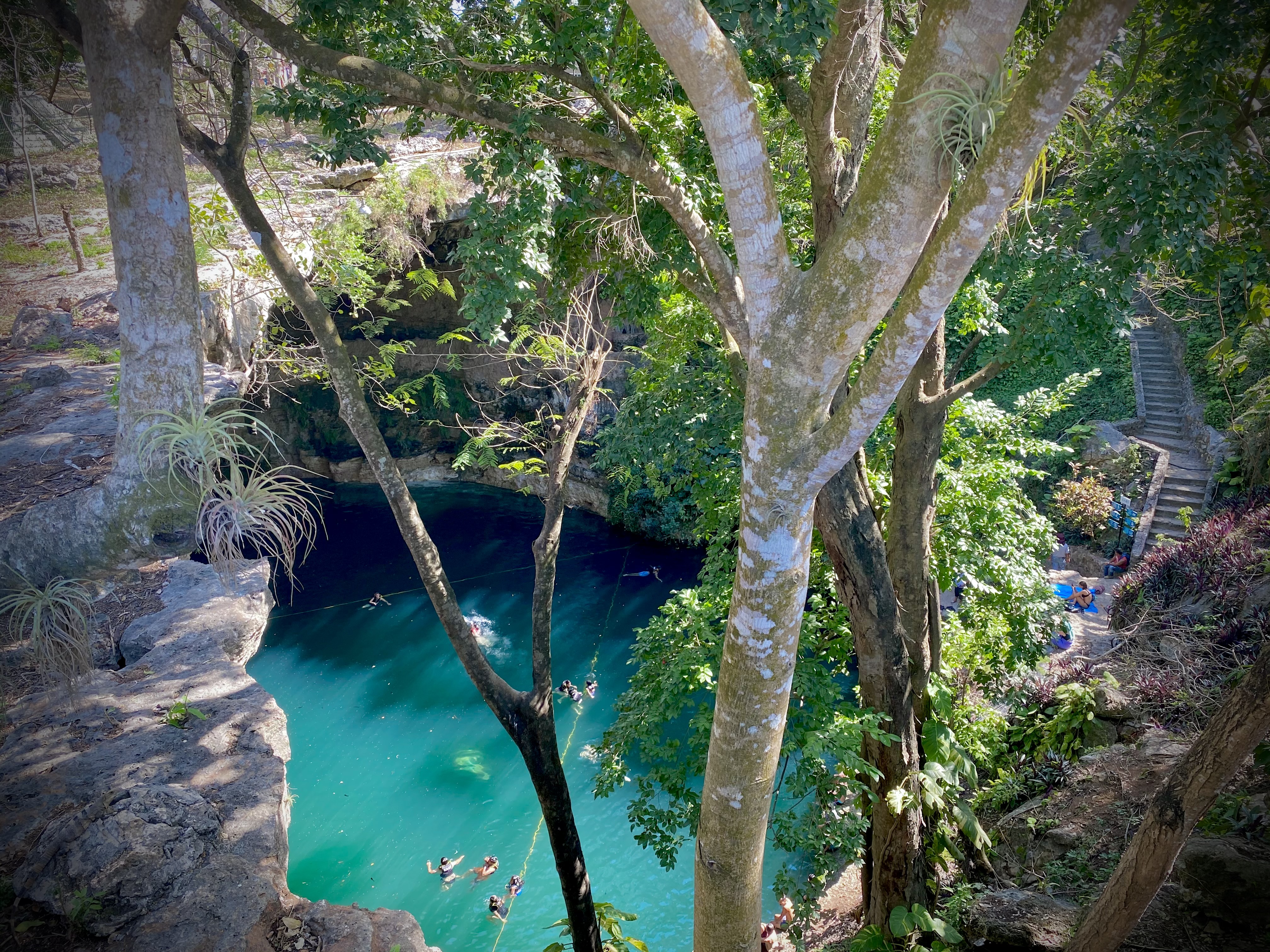
1. Swim at Cenote Zací in Downtown Valladolid
Situated directly inside the municipal city center on Calle 36 between Calle 37 and 39 (just seven blocks east of the main square), Cenote Zací is a breathtaking natural open-air sinkhole. Massive overhanging limestone ledges covered in lush green tropical vines drop dramatically into deep turquoise freshwater reaching depths over 80 meters.
Unlike remote cenotes requiring long rural drives, Cenote Zací allows visitors to walk directly from their downtown hotels for a mid-day swim. Adventure seekers can leap from cliff-jumping ledges ranging from 5 to 12 meters high into the refreshing pool.
Cenote Zací Visitor Matrix
- Entry Fee: 150 MXN (~$8 USD) cash only. Ticket includes mandatory life jacket rental.
- Operating Hours: Daily 9:00 AM – 5:30 PM (last entry permitted at 4:00 PM).
- Dining Refund Perk: Spending 100 to 200 MXN at the on-site municipal restaurant waives your cenote entry fee.
- More Cenotes: Explore our complete guide to Cenotes Near Valladolid (Oxman, Suytun & Dzitnup).
2. Explore Convento de San Bernardino de Siena & Evening Light Show
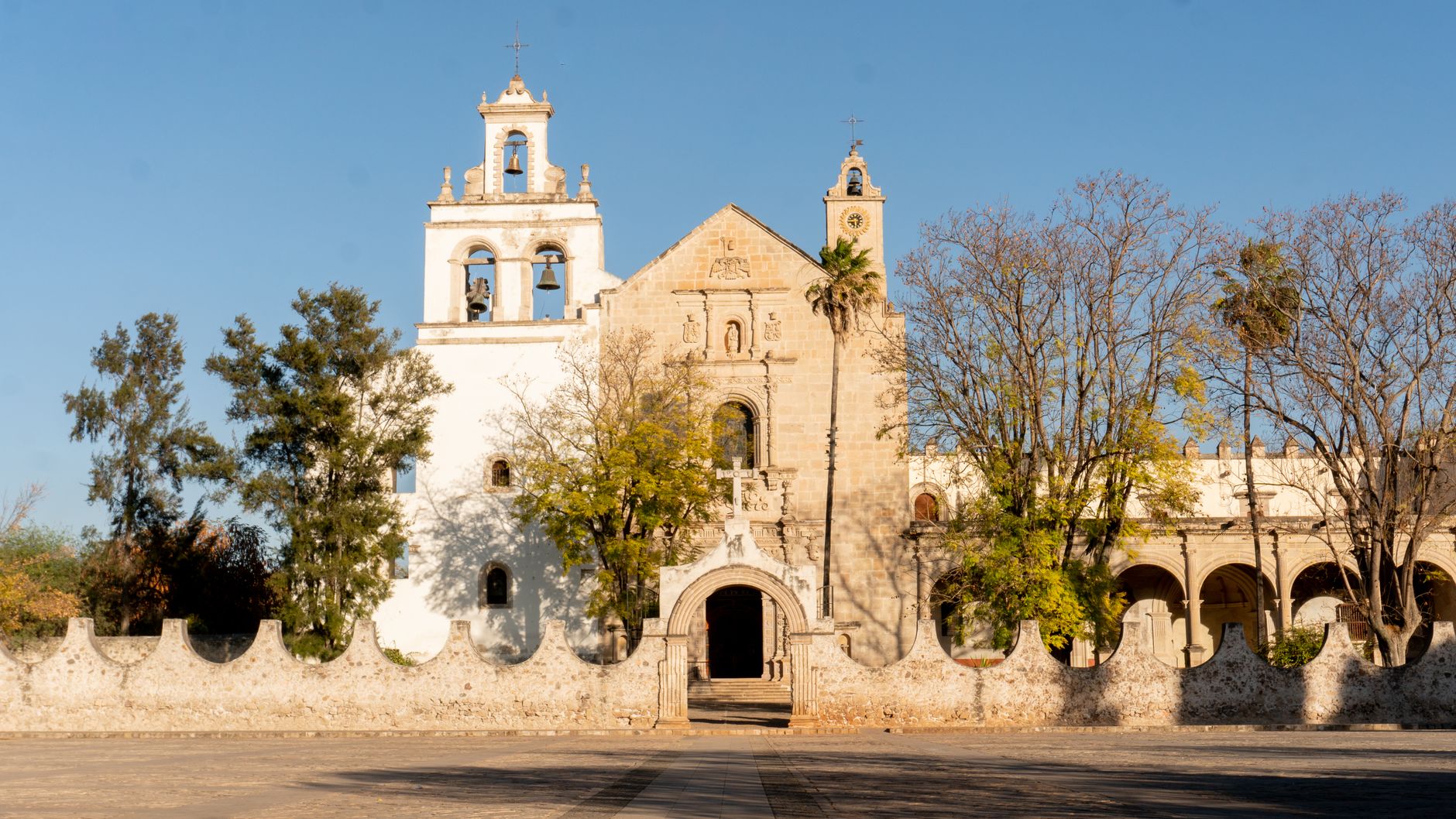
Constructed by Franciscan monks between 1552 and 1560 over the ancient Mayan cenote Sis-Ha, Convento de San Bernardino de Siena is one of the oldest Franciscan monastic complexes in the Americas. Located in the peaceful Sisal neighborhood, the fortified stone complex served both as a religious mission and a defensive fortress during colonial conflicts.
Convento Visitor Details
- Daytime Cloister Entry: 20 to 40 MXN (~$1–$2 USD).
- Museum Hours: Tuesday through Sunday, 9:00 AM – 5:00 PM (Closed Mondays).
- Noches de Valladolid Light Show: Every evening at 9:00 PM (Spanish) and 9:20 PM (English), a free video projection mapping show displays across the stone convent facade, illustrating the pre-Hispanic, colonial, and revolutionary history of Valladolid.
3. Tour Casa de los Venados Folk Art Collection
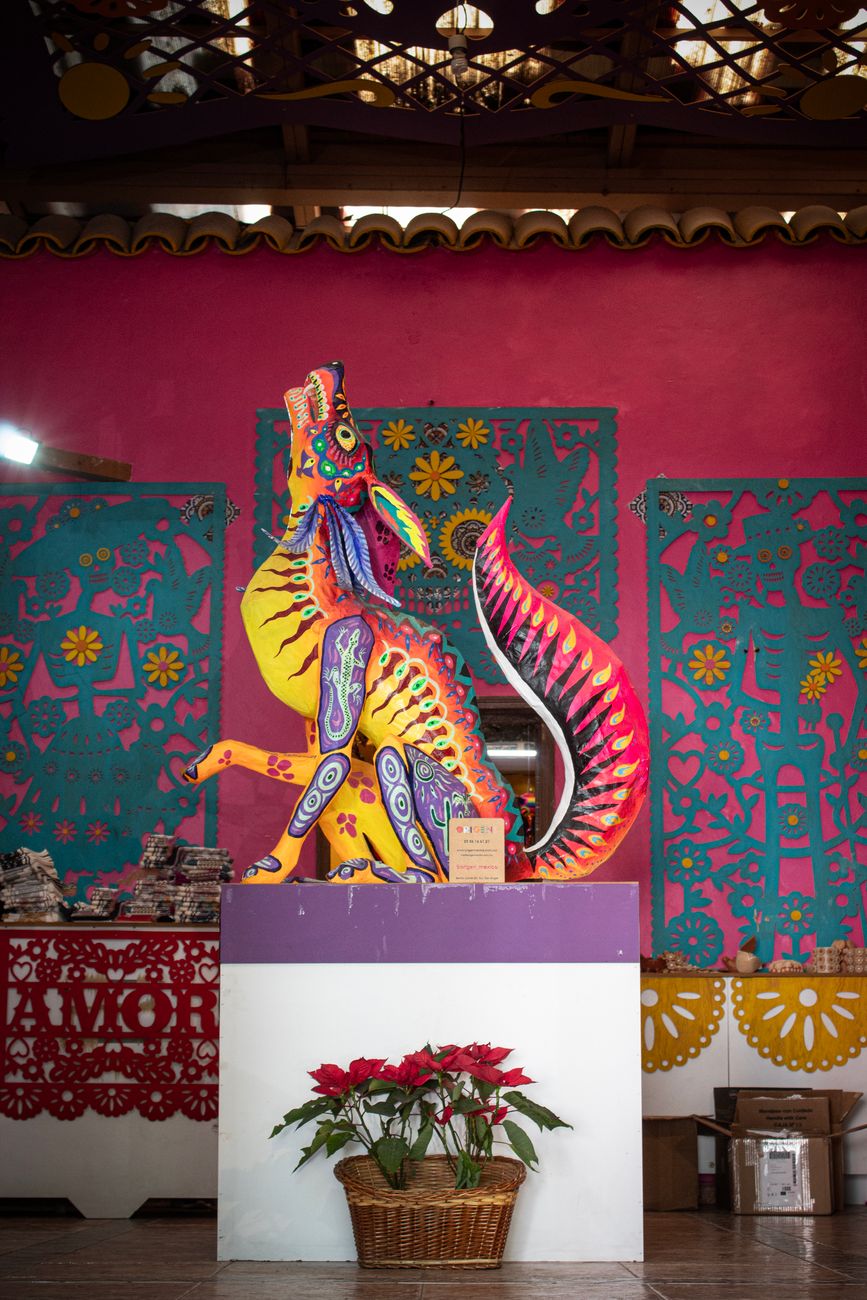
Situated at Calle 40 No. 204 near the main plaza, Casa de los Venados is a restored 18th-century Spanish colonial mansion housing over 3,000 museum-quality pieces of Mexican popular art. Guided tours take place daily at 10:00 AM with a suggested donation of 100 MXN (~$5–$6 USD), with 100% of proceeds supporting local Valladolid healthcare charities.
4. Stroll Down Calzada de los Frailes
Connecting the main plaza (Parque Principal) to the Sisal neighborhood, Calzada de los Frailes (Calle 41A) is a beautifully restored 16th-century cobblestone promenade lined with boutique fashion ateliers, artisanal perfumeries (such as Coqui Coqui), specialty coffee roasting cafes, and mezcal bars.
5. Relax at Parque Principal & Cathedral of San Servacio
Parque Principal Francisco Cantón Rosado is the vibrant social and historical heart of Valladolid. Centered around an ornate marble fountain featuring La Mestiza (a sculpture depicting a Yucatecan Mayan woman in traditional embroidered *huipil* dress), the plaza is shaded by tall laurel trees and manicured gardens.
The plaza is famous for its unique white S-shaped double bench seats known locally as sillas confidentes or tú y yo (you and me) benches. Positioned so two people sit face-to-face to converse while looking in opposite directions, these benches were originally designed in the 19th century to allow discreet courtship under chaperoned supervision.
Dominating the southern side of the square is the majestic Iglesia de San Servacio (Cathedral of San Servacio). Originally erected in 1545 by Spanish conquistador Francisco de Montejo, the church was dismantled in 1705 following the infamous "Crime of the Mayors" (when two local town councilmen were murdered inside the sanctuary). In 1706, the cathedral was rebuilt and intentionally reoriented to face north instead of west toward Rome as an act of ecclesiastical penance.
Parque Principal Visitor Highlights
- Cathedral Entry: Free admission (Visitors requested to dress respectfully during evening mass services).
- Evening Street Food Carts: Starting at 5:30 PM daily, local street vendors set up carts around the square selling crispy Yucatecan Marquesitas filled with Dutch Edam cheese and Nutella. Read our full guide on Where to Eat in Valladolid.
- Municipal Government Desk: Check official events on the Valladolid Government Portal (valladolid.gob.mx).
6. Discover San Roque Regional Museum (Museo Regional de San Roque)
Located on Calle 41 No. 193 between Calle 38 and 40 (just two blocks east of the main square), the Museo Regional de San Roque is housed in one of Valladolid's most historically significant 16th-century stone complexes. Built originally in 1575 as a Franciscan hospital and cloister chapel, the site later served as an execution site during revolutionary uprisings and a military garrison during the 19th-century Caste War (*Guerra de Castas*).
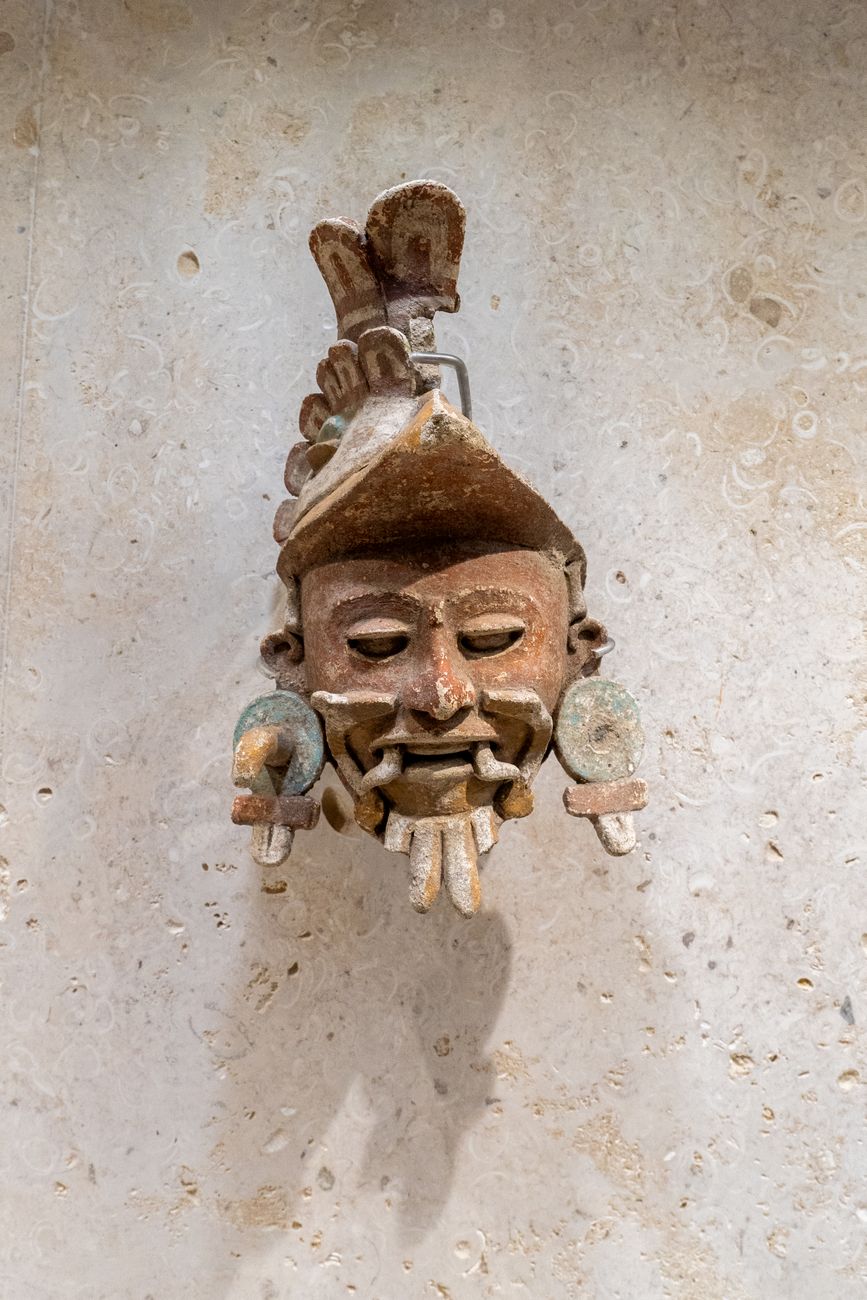
Today, the museum houses four permanent exhibition galleries chronicling the evolution of eastern Yucatán state:
- Pre-Hispanic Archaeology Room: Displays carved Mayan stelae, ceramic burial urns, and green jade beads recovered from sacred cenotes surrounding Ek' Balam.
- Colonial Contact Room: Documents the Spanish conquest of the ancient Mayan province of Zací in 1543.
- Caste War Corridor: Features 19th-century flintlock rifles, machetes, and original handwritten proclamations from indigenous Mayan rebel leaders Jacinto Canek and Cecilio Chi.
- Yucatecan Ethnography Gallery: Showcases traditional Mayan embroidery (*Xokbil Chuy*), Melipona beekeeping tools, and folk musical instruments.
San Roque Museum Logistics
- Admission Fee: Free entry (Donations appreciated).
- Operating Hours: Tuesday through Sunday, 9:00 AM – 5:00 PM (Closed Mondays).
7. Visit X-kopek Native Beekeeping Park (Parque Apícola Xkopek)
Situated on Calle 57 por 28 y 30 (a short 15-minute walk or quick taxi ride from downtown), X-kopek Parque Apícola is an eco-tourism project dedicated to the conservation of native stingless Mayan bees (specifically Melipona beecheii, known in Yucatec Maya as Xunáan Kab, meaning "Royal Lady").
Revered by the ancient Maya for over two thousand years as sacred messengers of the bee god Ah Muzen Cab, Melipona bees construct delicate wax honey pots inside hollow tree trunks (*jobones*) rather than honeycomb structures. Because Melipona bees lack functional stingers, visitors of all ages can observe wild hives up close without protective gear.
Guided tours led by local Mayan naturalists lead visitors down into a dry natural limestone cavern (*cenote seco*) where wild bee colonies nest in native trees. The tour concludes with an interactive tasting of pure Melipona honey—celebrated worldwide for its medicinal antibacterial properties, high floral acidity, and rich flavor notes.
X-kopek Visitor Logistics & Official Link
- Tour Entry Fee: 100 to 150 MXN (~$5–$8 USD) per person including guided cavern walk and honey tasting.
- Operating Hours: Daily 9:00 AM – 5:00 PM.
- Official Website: Book tours directly on Xkopek Official Site (xkopek.com).
8. Day Trip to Templo de Santo Domingo in Uayma
Located in the quiet rural Mayan village of Uayma just 15 kilometers (a 20-minute drive) northwest of Valladolid via Highway 295, the Templo de Santo Domingo de Guzmán is one of the most visually stunning colonial churches in North America.
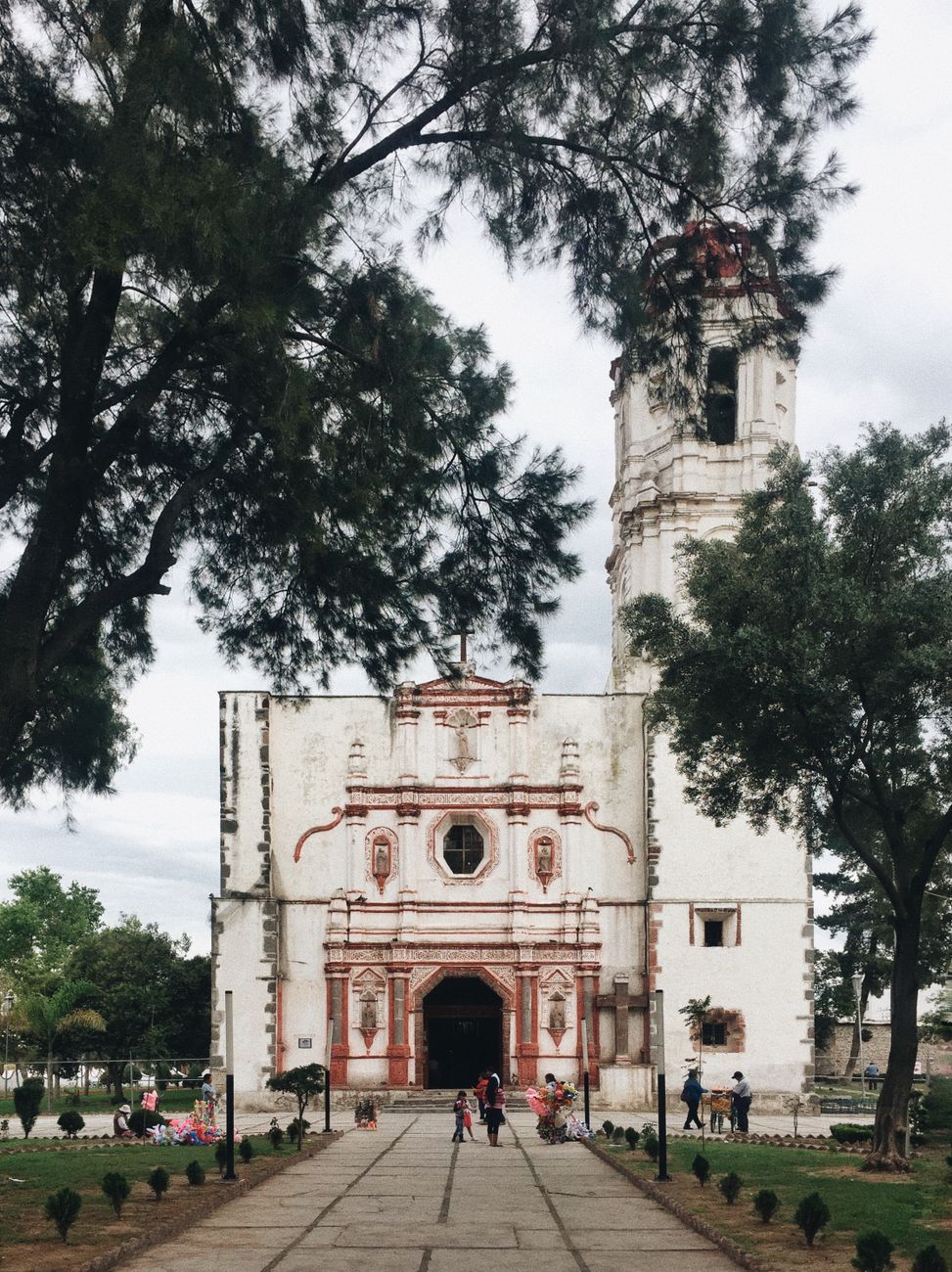
Erected in 1646 by Dominican and Franciscan friars, the church was constructed using hand-carved limestone blocks reclaimed directly from nearby pre-Hispanic Mayan temples at Ek' Balam and Chichén Itzá. During the Caste War of 1855, Mayan insurgents burned the interior sanctuary. The church lay in roofless stone ruins for over a century until a meticulous restoration in 2003 brought its extraordinary exterior back to life.
Unlike standard white or pastel Yucatecan churches, Uayma's facade is coated in a deep terracotta red stucco embellished with vibrant cobalt-blue star rosettes, white double-headed Hapsburg eagles, and intricate floral patterns representing the union of Spanish Catholic and indigenous Mayan iconography.
How to Get to Uayma from Valladolid
- Local Colectivo Minivan: Departs continuously from Calle 44 por 35 y 37 in downtown Valladolid. One-way fare is 25 MXN (~$1.50 USD). View complete routes on our Valladolid Transportation Guide.
- Taxi Fare: One-way taxi hire costs approximately 150 to 200 MXN (~$8–$11 USD).
- Entry Fee: Free to walk around church grounds and courtyard.
9. Taste Local Flavors at Mercado Municipal Donato Bates
Located on Calle 32 between Calle 35 and 37, the bustling Mercado Municipal Donato Bates has served as Valladolid's central trade hub since the mid-20th century. Visiting early in the morning offers an authentic sensory dive into daily Yucatecan market life, where local indigenous Maya women dressed in traditional embroidered *huipiles* sell fresh tropical produce, spices, and hand-woven hammocks.
Key regional market highlights include:
- Fresh Produce Stalls: Sample exotic tropical fruits including mamey sapote, dragonfruit (*pitahaya*), sweet chaya leaves, sour Yucatecan limes (*limas agrias*), and fiery habanero peppers.
- Artisanal Spice Recados: Purchase hand-ground balls of red achiote paste (*recado rojo*), black chili paste (*recado negro*), and aromatic spice rubs used in Yucatecan cooking.
- Market Food Stalls (Comedores): Sit at wooden counter benches for hot breakfast plates of *lomitos de Valladolid*, smoked *longaniza*, *panuchos*, and *salbutes* for 60 to 90 MXN (~$3.50–$5.00 USD).
Market Logistics & Gastronomy Guide
- Best Time to Visit: 7:00 AM to 11:00 AM for peak morning activity and hot breakfast.
- Payment: Cash only in Mexican Pesos (MXN). Small bills recommended.
- Food Guide: Read our complete breakdown of local dishes on Where to Eat in Valladolid Mexico.
10. Take the Double-Decker Turibus Open-Air City Tour
For an effortless overview of Valladolid's historic neighborhoods without walking under the midday sun, hop aboard the open-air double-decker Turibus Valladolid sightseeing coach. Departing continuously from the east side of Parque Principal right outside the main cathedral, the 45-minute audio-guided tour navigates through Valladolid's five historic colonial barrios (San Juan, Santa Ana, Candelaria, Santa Lucía, and Sisal).
The audio commentary (available via headphones in English and Spanish) details historical highlights, including the 1543 foundation of Zací, the defense of Convento de San Bernardino, and the 1910 "First Spark of the Mexican Revolution" (*La Primera Chispazo*) that ignited in Valladolid.
Turibus Tour Schedules & Tickets
- Departure Location: Main Square (Parque Principal), East Side.
- Ticket Price: 90 MXN (~$5 USD) for adults, 50 MXN (~$3 USD) for children.
- Departures: Hourly tours from 10:00 AM to 7:00 PM daily.
- Transport Guide: For details on passenger train, bus, and taxi dispatch, visit How to Get Around Valladolid.