Valladolid to Chichén Itzá: Colectivos, ADO Bus & Early Arrival (2026)
The definitive transportation handbook: exact terminal street addresses, 40 MXN colectivo minivans, 8:00 AM crowd evasion tactics, and complete 2026 INAH ticket pricing.
Verified Chichén Itzá Tours & Skip-The-Line Access
Prefer an expert-led excursion? Compare top-rated morning guided tours with transport, cenote swimming, and bilingual historians.
 Bestseller
 Top Pick
 Private Option
Why Valladolid Is the Strategic Staging Ground for Chichén Itzá
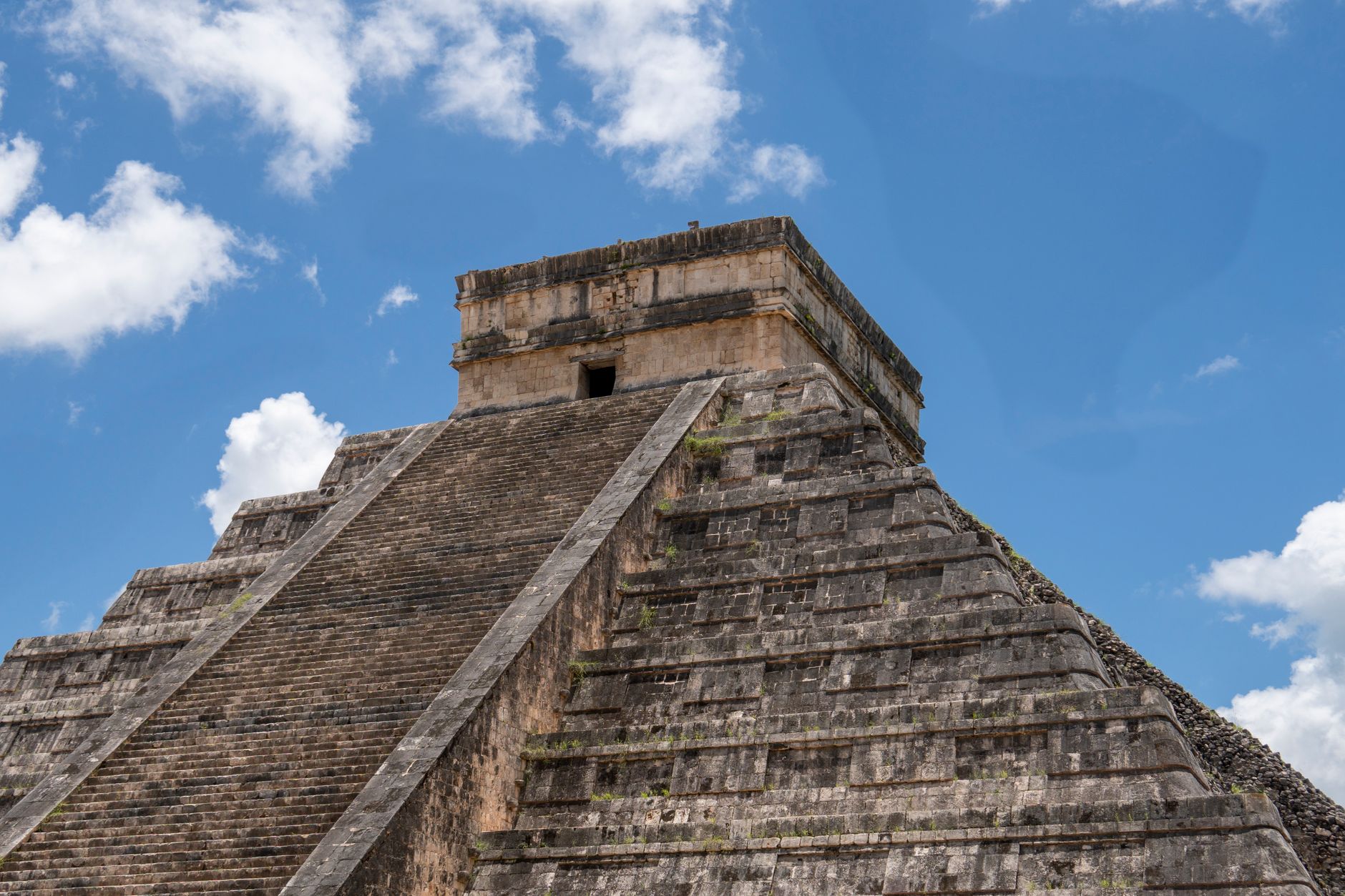
Staying in the colonial Pueblo Mágico of Valladolid rather than in coastal resort hubs like Cancún or Playa del Carmen grants you the single greatest tactical advantage in Mexican travel: proximity. While tourists staying on the Caribbean coast must endure a grueling 3-hour pre-dawn bus marathon spanning 200 kilometers, travelers based in Valladolid are situated a mere 42 kilometers (26 miles) east of the ancient Mayan metropolis. That translates to an effortless 45-minute journey along Highway 180 Libre.
This proximity allows you to arrive at the archaeological ticket counter at 7:45 AM, pass through the turnstiles the moment the gates open at 8:00 AM, and wander through the vast ceremonial plaza in serene silence. For two magical hours, the iconic El Castillo (Pyramid of Kukulkán), the Great Ball Court, and the Temple of the Warriors remain virtually deserted. The crushing wave of 5,000+ tour bus passengers from the Riviera Maya does not arrive until 10:30 AM, by which point the equatorial sun becomes scorching and the ancient complex transforms into a chaotic marketplace. Below is everything you need to know to execute a flawless independent trip from Valladolid in 2026.
Valladolid to Chichén Itzá Transit Matrix (Season 2026)
| Transport Method | Departure Location | Fare (One-Way) | Travel Time | First Departure | Best Suited For |
|---|---|---|---|---|---|
| Shared Colectivo | Calle 39 (between 46 & 48) | 40 – 50 MXN (~$2.20 – $2.70 USD) | 40–45 mins | 7:00 AM | Early risers, budget travelers, solo explorers |
| ADO First-Class Bus | Central ADO Terminal (Calle 39 por 46) | 110 MXN (~$6.00 USD) | 45–50 mins | 8:00 AM | Comfort seekers, travelers with rolling luggage |
| Rental Car | Downtown car agencies | Fuel (~90 MXN) + Parking (110 MXN) | 35–40 mins | Anytime | Couples & families combining Cenote Ik Kil / Yokdzonot |
| Private Taxi | Parque Principal taxi sitio | 450 – 600 MXN (~$25 – $33 USD) | 40 mins | Anytime | Small groups wanting door-to-door convenience |
| Tren Maya Train | Estación Valladolid (Hwy 295 corridor) | 124 MXN (Tourist) / 198.50 MXN (Premier) | 35 mins (train) + transfers | Check daily seasonal schedule | Rail enthusiasts (requires station shuttles at both ends) |
Option 1: The Colectivo Minivan from Calle 39 (The Local Choice)
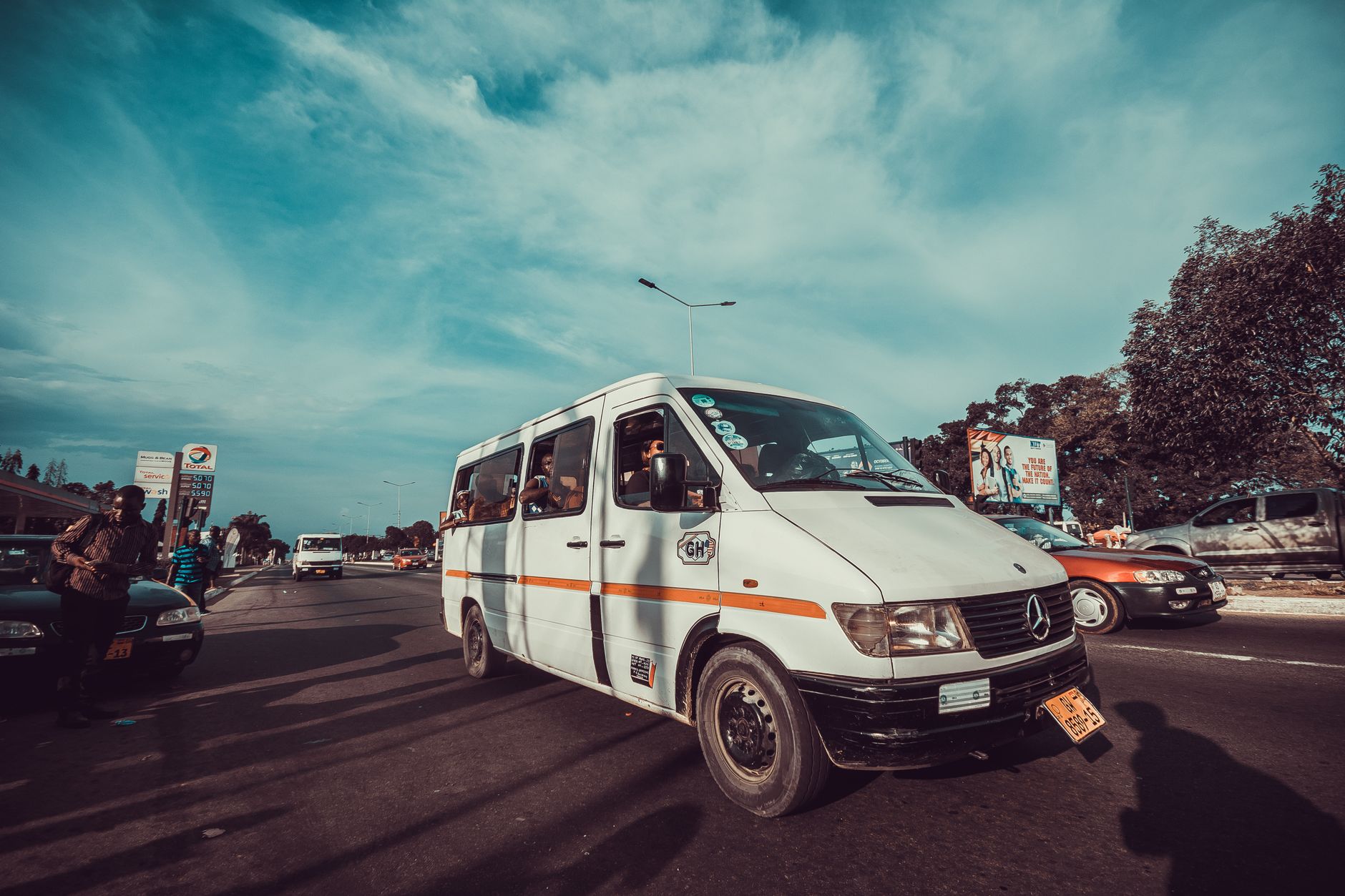
For 90% of independent travelers, the shared minivan (transporte colectivo) is the undisputed champion of efficiency, cost, and scheduling flexibility. These passenger vans (typically 12 to 14-seat air-conditioned Toyota HiAce or Nissan Urvan models) operate continuously throughout the day directly between downtown Valladolid and the front gates of Chichén Itzá.
Exact Terminal Address and Boarding Instructions
The colectivo departure stand is located at Calle 39 between Calle 46 and Calle 48 (GPS coordinates: 20.6898, -88.2052), directly behind the commercial block housing the Central ADO Bus Terminal. As you walk west along Calle 39 from the main square (Parque Principal), pass the front entrance of the ADO station; 50 meters further on your left, you will observe white passenger vans parked in a dedicated curb cutout with signboards marked "CHICHÉN ITZÁ - PISTÉ".
Colectivo Operational Logistics (2026)
- Fare: Exactly 40.00 to 50.00 MXN (~$2.20 – $2.70 USD) per passenger one-way. Cash only in Mexican Pesos; drivers cannot process credit cards or US dollars. Pay when boarding or when the dispatcher collects payment before pulling out.
- Operating Hours: Daily from 7:00 AM to 4:30 PM.
- Departure Frequency: Vans depart roughly every 25 to 30 minutes, or as soon as all 12 to 14 seats are occupied. Between 7:00 AM and 7:45 AM, vans fill rapidly with savvy backpackers, morning workers, and certified archaeological tour guides.
- Drop-Off Point: The driver pulls directly into the primary bus and vehicle circle at the entrance of the Chichén Itzá visitor center (Parador Turístico), 20 meters from the security bag-check kiosks.
Option 2: ADO First-Class Coach (Maximum Seating Comfort)
If you prefer guaranteed assigned seating, powerful climate-controlled air conditioning, and generous luggage bays beneath the vehicle, the Autobuses de Oriente (ADO) first-class network offers daily coaches. The Terminal de Autobuses ADO Valladolid is located at Calle 39 No. 221 por 46 Centro, three blocks west of the main square.
The standard morning ADO coach to Chichén Itzá departs at 8:00 AM sharp. The ticket costs approximately 110 MXN (~$6.00 USD) one-way. While the ride is exceptionally comfortable and features reclining seats and overhead reading lights, the 8:00 AM departure means you will arrive at the site around 8:50 AM. You will miss the initial opening gate rush, but you will still easily beat the mass arrivals from the coast. Tickets can be booked at the terminal counters 24 hours in advance or through the official ADO mobile application (though international credit cards occasionally encounter banking authorization blocks on Mexican transit apps, making counter payment in cash the most reliable method).
Option 3: Driving via Highway 180 Libre & Parking Regulations
Navigating from Valladolid to Chichén Itzá in a rental car is remarkably straightforward. From downtown, head west along Calle 41, which merges seamlessly into Federal Highway 180 Libre (the toll-free highway connecting Valladolid to Mérida). The total driving distance is exactly 42 kilometers (26 miles).
Crucial Driving Notes & Topes (Speed Bumps)
Highway 180 Libre is a well-paved, two-lane asphalt corridor passing through three small Yucatecan pueblos: Tikuch, Kaua, and the commercial gateway town of Pisté. While the open highway sections have posted speed limits of 80 to 90 km/h (50 to 55 mph), you must exercise extreme vigilance when approaching town boundaries. Each settlement features aggressive, concrete speed bumps known locally as topes. Many topes are unmarked and unpainted; hitting one at 60 km/h will cause severe damage to your vehicle's suspension and undercarriage. Always slow down to 20 km/h whenever you spot roadside speed bump warning signs ("Reductor de Velocidad" or "Topes").
Official Parking Facilities at Chichén Itzá
Upon reaching the Pisté junction, follow the prominent green overhead signs toward Zona Arqueológica Chichén Itzá. The official federal parking lot operated by CULTUR is located on the right side immediately preceding the main pedestrian plaza. In 2026, the official parking tariff is a flat 110 MXN (~$6.00 USD) per vehicle for the entire day. Attendants provide a printed paper receipt which you must display on your dashboard. Avoid rogue touts waving flags along the highway in Pisté offering "private VIP parking" 2 kilometers away from the gates; continue straight until you reach the official barrier gate.
Option 4: Private Radio Taxis & InDrive App
If you travel as a family or small group of 3 to 4 people, chartering a private taxi provides door-to-door convenience without the commitment of renting a car. Traditional city taxis wait at the official sitio stands surrounding the Parque Principal (in front of the Municipal Palace) and outside the ADO terminal.
- Direct One-Way Drop-Off: 450 to 600 MXN (~$25.00 – $33.00 USD). Standard Valladolid city cabs do not utilize taximeters; you must negotiate and confirm the flat rate with the driver prior to entering the cab.
- Half-Day Roundtrip Charter: You can contract a licensed driver for 4 to 5 hours for roughly 1,200 to 1,500 MXN (~$65.00 – $80.00 USD). This includes the outbound ride at 7:15 AM, 3 hours of waiting time while you explore the ruins, a stop at nearby Cenote Ik Kil or Cenote Yokdzonot for lunch and swimming, and the return drive to your hotel in Valladolid.
- InDrive Ride-Hailing: While Uber does not maintain active driver fleets in Valladolid due to municipal taxi union regulations, the InDrive application functions effectively. You propose your fare (e.g., 400 MXN), and local union drivers accept or counteroffer in real time.
- Official Radio Taxi Dispatch: If your hotel is located outside the downtown historic grid, call the central union dispatch desk directly at +52 985 856 2551.
Chichén Itzá Entry Fees & 2026 Ticket Pricing Breakdown
Navigating the ticket booths at Chichén Itzá frequently confuses first-time visitors because entry requires purchasing two separate tickets at adjoining cashier windows inside the visitor terminal. By Mexican federal and state decree, admission is divided between the federal cultural agency (INAH) and the state tourism administration (CULTUR Yucatán).
| Fee Component | Administering Agency | Price (Foreign Visitors) | Price (Mexican Nationals) | Payment Acceptance |
|---|---|---|---|---|
| Federal Admission | INAH (National Institute of Anthropology & History) | 95 MXN (~$5.20 USD) | 95 MXN | Cash (MXN) or Mexican Credit Card |
| State Tourism Fee | CULTUR (State of Yucatán Board) | 548 MXN (~$29.80 USD) | 195 MXN (Yucatán residents free) | Cash (MXN) or Major Credit Card |
| TOTAL COMBINED ADMISSION | Full Access Pass | 643 MXN (~$35.00 USD) | 290 MXN (~$16.00 USD) | Both paper stubs required at turnstiles |
Crucial Payment & Identification Rules
- Carry Cash in Pesos: While credit card terminals operate at the CULTUR counter, the satellite internet connection in Pisté frequently crashes under peak volume. If the terminals go offline and you do not possess cash, you will be forced to walk 15 minutes into Pisté to locate an ATM. Always bring at least 700 MXN in cash per person.
- Sunday Free Admission: Admission is completely free on Sundays strictly for Mexican citizens and permanent foreign residents holding valid INE or temporary/permanent residency cards. International tourists on tourist visas (FMM) pay standard full price (643 MXN) on Sundays. Sundays are intensely crowded with regional domestic visitors; if you are an international traveler, we strongly advise visiting on a weekday (Tuesday through Thursday).
- Video Equipment Surcharge: Handheld smartphones and basic consumer cameras can enter without additional charges. However, if you enter with a professional DSLR, external gimbal stabilizer, or GoPro on an extension pole, INAH cashiers impose an official non-commercial filming permit fee of 55 MXN. Drones are strictly illegal across all Mexican archaeological parks under federal law without written permits issued months in advance; unauthorized drone flights will result in confiscation and severe federal fines.
Hiring a Certified On-Site Tour Guide
While the architectural majesty of Chichén Itzá is immediately breathtaking, exploring without historical context turns extraordinary stone monuments into incomprehensible ruins. Hiring an authentic guide unlocks the astonishing acoustic architecture of the Ball Court, the complex astronomical mathematics of the Caracol observatory, and the dark ritual significance of the Sacred Cenote.
Immediately after passing through the primary ticket turnstiles inside the covered visitor center, you will encounter the official Association of Certified Tourist Guides. Every legitimate guide wears a laminated photographic identification card issued by the federal Secretariat of Tourism (SECTUR) hung around their neck. Standard rates for a 2-hour private tour are regulated:
- Private Tour (1 to 4 persons): 1,000 to 1,400 MXN (~$55.00 – $75.00 USD) total for your group.
- Languages Offered: Fluent English and Spanish are available immediately at the desk. French, German, and Italian guides are on duty but may require waiting 10 to 15 minutes during early morning hours.
- Tipping Etiquette: If your guide delivers exceptional historical commentary, a customary gratuity of 100 to 200 MXN is deeply appreciated.
Red Flags & What to Avoid on the Chichén Corridor
To ensure your excursion remains stress-free, stay alert for these common travel pitfalls along the route:
- The "Highway Checkpoint" Scam in Pisté: As you drive through Pisté, men dressed in khaki uniforms or bright reflective vests will stand in the roadway waving plastic stop signs and pointing motorists into private parking lots, claiming the main archaeological parking lot is closed or that you must buy tickets in advance. This is completely false. Do not pull over; maintain your speed and drive straight past them until you reach the official INAH barrier gates.
- Online "Skip-the-Line" Ticket Markups: Third-party reseller portals frequently advertise "VIP Fast Track Chichén Itzá Tickets" for $60 to $85 USD. There is no official separate fast-track lane at Chichén Itzá; everyone passes through the same security turnstiles. If you arrive at 7:50 AM, there is virtually no line at the official counter. Booking third-party vouchers often requires you to wait in line anyway to exchange your digital voucher for paper CULTUR bracelets.
- Souvenir Vendor Gauntlet: By 10:30 AM, hundreds of artisanal vendors line every stone path within the ruins, aggressively blowing jaguar whistles (silbato de jaguar) and shouting "Almost free! Only one dollar!". Remain polite, offer a firm "No, gracias", and keep walking. If you wish to purchase wooden carvings or embroidered huipiles, bargain respectfully in Mexican Pesos.
- Missing the Hydration Window: The vast open plazas of Chichén Itzá provide minimal shade once the sun rises above the tree line. Daytime temperatures regularly exceed 35°C (95°F) with crushing relative humidity. Bring at least 1.5 liters of water per person in reusable bottles (single-use disposable plastic bottles are discouraged by site rangers).
How to Return from Chichén Itzá to Valladolid
Returning to Valladolid is just as seamless as the morning journey. When you exit through the main visitor parador, walk across the vehicular plaza toward the parking area:
- Return Colectivos: White colectivo vans line up along the sidewalk directly facing the visitor exit. Drivers and dispatchers will call out "¡Valladolid directo!". Step aboard, pay your 40 to 50 MXN fare, and the van will depart as soon as passenger capacity is reached. Vans run until approximately 4:30 PM to 5:00 PM.
- Return ADO Coach: ADO coaches depart from the bus platform at the visitor center in the afternoon (typically scheduled around 2:00 PM, 3:30 PM, and 5:00 PM). Inquire at the ADO kiosk in the parador upon your morning arrival to verify current afternoon departure times.
- Return Taxi: If you did not contract a roundtrip charter, licensed taxis wait at the edge of the parking lot. A return ride back to central Valladolid costs 500 to 600 MXN.
Frequently Asked Questions: Valladolid to Chichén Itzá
Colectivo vs ADO Bus from Valladolid to Chichén Itzá: Which is faster?
The colectivo is faster and far more flexible. Colectivos depart every 25 to 30 minutes from Calle 39 starting at 7:00 AM, taking only 40 to 45 minutes directly to the visitor gates for 40 to 50 MXN (~$2.20 – $2.70 USD). The ADO coach adheres to a fixed timetable (first morning departure at 8:00 AM) and costs 110 MXN (~$6.00 USD), making the colectivo the clear choice for reaching the gates before 8:00 AM.
What is the total entrance fee for Chichén Itzá in 2026?
The total admission fee for international adult visitors in 2026 is 643 MXN (~$35.00 USD), split between the federal INAH ticket (95 MXN) and the state CULTUR fee (548 MXN). Mexican citizens pay 290 MXN with valid INE credentials. Admission is completely free on Sundays strictly for Mexican nationals.
Where do return colectivos depart from Chichén Itzá to Valladolid?
Return colectivos queue in the main visitor center parking lot directly outside the archaeological park's exit gates, adjacent to the tourist bus drop-off zone. Vans depart every 30 minutes once filled with 12 to 14 passengers, operating continuously until approximately 4:30 PM to 5:00 PM.
Can you store luggage at Chichén Itzá?
Yes. The official visitor center operates secure luggage storage lockers (paquetería) located near the main ticket windows. Lockers accommodate backpacks, duffels, and small rolling suitcases for approximately 100 to 150 MXN for the day. If you are traveling between Valladolid and Mérida or Cancún and wish to visit Chichén Itzá en route, this is an excellent option.
Editorial Note from Mateo Valero
"I cannot stress this enough: boarding the 7:15 AM colectivo on Calle 39 transforms your Chichén Itzá experience from an endurance test into one of the most spiritual mornings of your life. When you stand alone before the Pyramid of Kukulkán as the morning jungle birds call through the mist, you will understand why the ancient Maya placed this wonder at the heart of their sacred universe. Pack water, bring small peso bills, and enjoy the stillness before the buses arrive."
Read Author Principles & Methodology →