Valladolid to Tulum: Bus, Colectivos & Cobá Stopover (2026)
Your complete jungle corridor transit handbook: ADO bus schedules, Highway 109 self-drive guide, halfway exploration at Cobá ruins, and essential safety tips.
Curated Transfers & Regional Day Trips
Experience the magic of the archaeological jungle corridor between Valladolid, Cobá, and Tulum with guaranteed transport.
 Bestseller
 Private Van
 Popular
Traversing the Jungle Artery: Valladolid to Tulum
The route connecting Valladolid to the bohemian Caribbean hub of Tulum is one of the most scenic and straightforward journeys in southeastern Mexico. Spanning exactly 102 kilometers (63 miles) through dense tropical jungle, this corridor takes you from the quiet cobblestone cloisters of interior Yucatán directly to the white-sand coast and trendy cenote clubs of Quintana Roo.
Unlike the high-speed toll expressways heading toward Cancún or Playa del Carmen, the road to Tulum (Federal Highway 109) is an intimate, two-lane asphalt ribbon cutting through ancient Mayan forest. Along the way, it passes through traditional indigenous settlements, artisan workshops carving hardwood furniture, and provides direct access to the legendary archaeological ruins of Cobá. Whether you choose to ride the comfortable first-class ADO bus or embark on a self-drive road trip complete with cenote swims, this complete 2026 guide provides the verified logistics you need.
Valladolid to Tulum Transit Options at a Glance
| Transport Method | Departure Stand | One-Way Price | Duration | Frequency | Key Advantage |
|---|---|---|---|---|---|
| ADO First-Class Bus | Central ADO (Calle 39 por 46) | 180 – 220 MXN (~$10 – $12 USD) | 1h 40m – 2h | 4 to 6 daily coaches | Effortless, climate-controlled, drops off in Tulum Centro |
| Self-Drive Rental Car | Downtown Valladolid | Fuel (~180 MXN), zero tolls | 1h 25m direct | Depart anytime | Allows a 3-hour stopover at Cobá ruins & cave cenotes |
| Private Chauffeur Van | Door-to-door hotel pick-up | 2,000 – 2,500 MXN (~$110 – $135 USD) | 1h 20m direct | Custom schedule | Drop-off directly at Tulum Beach Zone (Zona Hotelera) |
| Second-Class Bus (Oriente) | Central ADO Terminal (Calle 39) | 110 – 140 MXN (~$6 – $8 USD) | 2h 15m | Every 1–2 hours | Budget-friendly, drops off at rural intersections |
| Colectivo Combination | Calle 39 (Chemax) / transfer | 90 – 120 MXN total | 2h 30m | Variable | For adventurous backpackers fluent in Spanish |
Option 1: The ADO First-Class Bus (Smooth & Stress-Free)
For travelers who want to sit back, catch up on reading, and arrive in Tulum without navigating speed bumps or fuel stops, the first-class coach network operated by ADO (Autobuses de Oriente) is the gold standard. Coaches are modern, high-deck Mercedes-Benz or Volvo buses equipped with air conditioning, reclining ergonomic seats, overhead luggage bins, and an onboard restroom.

Departures from Valladolid
All first-class coaches to Tulum depart from the Terminal de Autobuses ADO Valladolid (Calle 39 No. 221 por 46 y 48, Centro), three blocks west of the main square. ADO operates roughly 4 to 6 scheduled daily departures to Tulum, with popular morning departures at 8:30 AM, 11:15 AM, and 2:00 PM.
One-way ticket fares range from 180 to 220 MXN (~$10.00 – $12.00 USD). Because this route connects two high-demand tourist centers, morning buses can sell out during the winter high season (December through April). Purchasing your ticket at the station counter 24 hours in advance or via the ADO website ensures guaranteed seating.
Arrival in Tulum: Centro Terminal vs. Beach Taxis
Buses arrive at the Terminal ADO Tulum Centro, situated directly on the main avenue (Avenida Tulum between Calle Alfa Sur and Calle Júpiter Sur, GPS: 20.2114, -87.4654). This terminal puts you in the middle of Tulum's vibrant town center, surrounded by taco stands, bike rental shops, and budget boutique hotels.
Important Note on Tulum Beach Taxis
If your accommodation is located along the Tulum Beach Road (Zona Hotelera / Boca Paila), be prepared for steep local taxi fares. Tulum taxi unions charge a heavily inflated flat rate—often 400 to 700 MXN (~$22.00 – $38.00 USD)—for the short 5-kilometer ride from the town terminal to the beach strip. Alternatively, you can rent a bicycle in town for 150 MXN per day or hail a local beach colectivo from the corner of Avenida Tulum and Calle Osiris for roughly 40 MXN.
Option 2: Driving Highway 109 & The Cobá Ruins Stopover
If you have rented a car in Valladolid, the drive to Tulum is one of the most enjoyable journeys in the Yucatán. It allows you to transform a basic transfer into a rich day of archaeological exploration and jungle cenote swimming.
Route Directions
- From central Valladolid, take Calle 41 heading east out of town onto Federal Highway 180 Libre toward Cancún.
- Drive approximately 28 kilometers to the town of Chemax. As you enter Chemax, follow the signs turning right (south) onto State Highway 109 (marked "A Tulum / Cobá").
- Continue south on Highway 109 for approximately 25 kilometers until you reach the roundabout at Cobá.
- From Cobá, continue straight on Highway 109 for another 45 kilometers through the villages of Manuel Antonio Hay and Francisco Uh May until the highway terminates at the traffic light on Avenida Tulum.
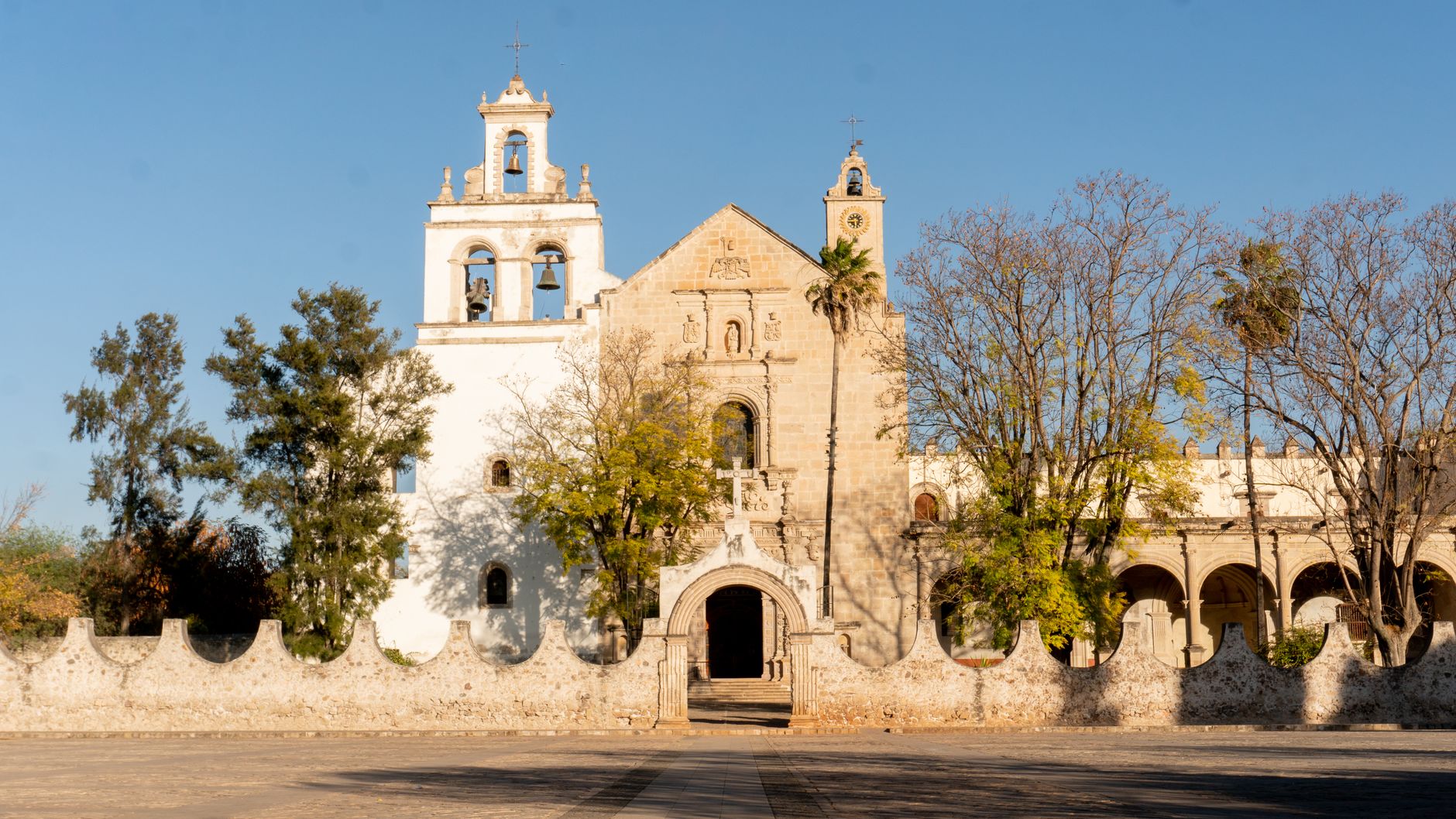
The Cobá Archaeological Experience (The Ultimate Midway Break)
Cobá is fundamentally different from Chichén Itzá. Shrouded under a dense, cool canopy of ancient wild sapodilla and fig trees, the archaeological ruins of Cobá span over 70 square kilometers. The city was interconnected by ancient elevated white stone highways known as sacbeob.
Cobá Visiting Essentials (2026)
- Entry Fee: 210 MXN (~$11.50 USD) for international visitors. Cash or credit card.
- Hours: Daily 8:00 AM – 5:00 PM (last entry 4:00 PM).
- Bicycle Rentals on Site: Because the complex is vast, rent a single-speed cruiser bicycle inside the entrance for 60 MXN, or hire a *tricitaxi* (a three-wheeled pedal rickshaw steered by a local Mayan driver) for 120 to 150 MXN to tour the main temple clusters in comfort.
- Nohoch Mul Pyramid: The tallest pyramid in the northern Yucatán Peninsula, standing 42 meters (137 feet) high. While climbing was suspended to preserve the delicate limestone steps, the view from the jungle base is monumental.
- The Underground Cenote Cluster: Just 4 kilometers past the Cobá archaeological turnoff along the San Juan Chen road lie three pristine cave cenotes: Cenote Choo-Ha (famous for hanging stalactites and shallow swimming), Cenote Tamcach-Ha (featuring dramatic 5m and 10m jumping platforms), and Cenote Multum-Ha (a deep cavern dome with crystal-clear turquoise water). Admission is 100 MXN per cenote, and they are virtually deserted compared to coastal sinkholes.
Option 3: Second-Class Buses & Local Colectivos
Budget backpackers looking for lower fares can opt for second-class Autobuses Oriente. These buses depart from the same Central ADO station on Calle 39 every 1 to 2 hours throughout the day. Tickets cost roughly 110 to 140 MXN (~$6.00 – $8.00 USD).
Second-class buses do not feature onboard bathrooms and make frequent stops along Highway 109 to pick up and discharge local commuters in rural villages like Chemax, Cobá, and Macario Gómez. Travel time is therefore slightly longer (roughly 2 hours and 15 minutes). However, you can ask the driver to drop you off right at the Cobá roundabout if you wish to explore the ruins before catching a later Oriente bus into Tulum.
The Quintana Roo Time Zone Jump (+1 Hour)
As with all travel from Yucatán into Quintana Roo, keep in mind that you are crossing an invisible administrative time boundary:
- Valladolid: Operates on Central Standard Time (CST / GMT-6).
- Tulum: Operates on Eastern Standard Time (EST / GMT-5) year-round.
- What It Means for Your Day: You lose one full hour upon reaching Tulum. If you catch an ADO bus in Valladolid at 9:00 AM, the 1-hour-and-45-minute journey arrives in Tulum at 11:45 AM local time, not 10:45 AM. Factor this hour into beach club reservations, car rental return deadlines, and dive shop briefings.
Red Flags & What to Avoid on Highway 109
While the route from Valladolid to Tulum is very safe, being aware of these local quirks will prevent unpleasant surprises:
- Fuel Up Before Leaving Valladolid: There are multiple modern PEMEX gas stations around the Valladolid perimeter. Once you pass Chemax, there is essentially no reliable gas station along Highway 109 for over 65 kilometers until you arrive on the northern outskirts of Tulum. Never begin this drive with less than a quarter tank of fuel.
- Speed Bumps (Topes) in Chemax & Rural Villages: The village of Chemax has installed severe, unmarked concrete speed bumps to slow traffic. If you do not brake to a crawl, you risk cracking your rental vehicle’s oil pan or destroying its bumper. Keep your eyes peeled for yellow caution strips and pedestrian crosswalk signs.
- Avoid Night Driving: Highway 109 has zero artificial illumination outside village borders. After sunset, the two-lane road is frequented by slow-moving agricultural tricycles, unlit motorcycles, wandering dogs, and wild coatimundis or deer darting across the asphalt. Complete your transit before 6:30 PM.
- Tulum Gas Station Scams: When refueling your rental car in Tulum upon arrival, pay close attention at the pump. Dishonest attendants at several coastal stations are known for the "rapid cash switch" trick (swapping a 500-peso note for a 50-peso note and claiming you underpaid) or failing to zero out the pump meter. Always state the exact amount in pesos (e.g., "Quinientos pesos, por favor"), watch the pump counter zero out, and count your cash audibly to the attendant.
Frequently Asked Questions: Valladolid to Tulum
How much does the ADO bus cost from Valladolid to Tulum?
A standard first-class ADO bus ticket costs between 180 and 220 MXN (~$10.00 – $12.00 USD) per passenger one-way. Coaches depart from the Central ADO Terminal on Calle 39 and take approximately 1 hour and 40 minutes.
Can I leave my luggage anywhere while exploring Cobá ruins?
Yes. If you are stopping at Cobá on your way to Tulum, the official visitor ticket booth area at Cobá operates a guarded luggage holding office where you can store backpacks and rolling suitcases for a small fee (roughly 50 to 80 MXN per bag). If you have a rental car, park in the monitored lot (80 MXN) and keep luggage stowed out of sight inside your trunk.
Which is better: visiting Cobá or Chichén Itzá?
Both are world-class, but offer entirely different atmospheres. Chichén Itzá is a grand, manicured architectural spectacle with towering restored monuments, but it attracts heavy crowds and aggressive vendors. Cobá feels like an authentic Indiana Jones expedition, set deep in the humid jungle where you cycle shaded stone trails between temples. Ideally, experience both!
How do I get from the Tulum ADO bus terminal to the hotel beach zone?
The beach zone is about 5 to 7 kilometers from the downtown bus terminal. You can take an official green-and-white Tulum taxi (expect to negotiate 400 to 700 MXN), rent a bicycle from shops across from the bus station (150 MXN per day), or walk to Avenida Tulum and Calle Osiris to catch a local shared beach colectivo for 40 MXN.
Editorial Insight from Mateo Valero
"The drive down Highway 109 through Cobá is hands-down my favorite day trip in eastern Yucatán. My personal formula: depart Valladolid at 8:00 AM, arrive in Cobá before 9:00 AM to pedal bicycles through the silent jungle canopy, plunge into the subterranean darkness of Cenote Tamcach-Ha at 11:30 AM, enjoy handmade wood-fired tortillas in Francisco Uh May, and roll into Tulum just as the afternoon beach breeze picks up. It turns a standard travel day into a highlight of your entire Mexican vacation."
Read Author Principles & Methodology →