2 Days in Valladolid Mexico: Ultimate Colonial & Cenote Itinerary (2026)
The definitive 48-hour master plan: 8:00 AM Chichén Itzá crowd evasion, urban cliff jumping at Cenote Zací, pastel golden hours, and ancestral Mayan feasts.
Essential Guided Experiences for Your 48-Hour Stay
Maximize your time in Valladolid by locking in verified priority-entry tickets and small-group excursions.
 Bestseller
 Top Rated
 Culinary Pick
Why Two Days in Valladolid Is the Perfect Yucatecan Escape
For decades, commercial mass tourism treated the colonial city of Valladolid as little more than a hurried 45-minute souvenir stop on chartered bus tours shuttling between Cancún and Chichén Itzá. But discerning travelers have unlocked the secret: Valladolid is the beating cultural heart of the Yucatán Peninsula. Designated officially as a Pueblo Mágico (Magical Town), this 16th-century colonial city offers vibrant pastel-painted streets, leafy plazas scented with sour orange blossoms, jaw-dropping subterranean cenotes located right inside the city grid, and a culinary scene that preserves ancestral Mayan cooking traditions.
Spending two full days (48 hours) in Valladolid allows you to experience the region without the punishing pace of coastal day-trips. You will explore world wonders in tranquil morning silence, leap from rocky ledges into emerald sinkholes, and sip artisanal mezcal in courtyards draped in flowering bougainvillea. Below is our meticulously timed, field-tested hour-by-hour itinerary designed specifically for the 2026 travel season.
The 48-Hour Valladolid Blueprint At-a-Glance
| Timeline | Day 1: Colonial Grandeur & Urban Cenote | Day 2: Ancient Wonders & Ancestral Feast |
|---|---|---|
| Morning (07:00 – 11:30) | Breakfast at El Atrio del Mayab, explore Parque Principal & San Servacio, swim at Cenote Zací | Early 07:15 colectivo to Chichén Itzá, 08:00 AM crowd-free pyramid exploration |
| Midday (12:00 – 15:30) | Market lunch at Mercado Donato Bates, guided tour of Casa de los Venados folk art | Return to town, cycle to Cenote Hacienda Oxman rope swing & pool lunch |
| Afternoon (16:00 – 18:30) | Golden hour stroll along Calzada de los Frailes, Coqui Coqui perfume, Sisal square | Stroll past historic murals, explore San Roque Museum, enjoy craft coffee at Kuxtal |
| Evening (19:00 – 22:00) | Street marquesitas in Sisal, 21:00 Convent video mapping light show, drinks at Yerbabuena | Gastronomic finale at Ix Cat Ik with ancestral underground pib cooking demonstration |
Day 1: Colonial Splendor, Urban Caverns & The Convent Light Show

08:30 AM: Breakfast at El Atrio del Mayab
Begin your morning on the south arcade of the main plaza at El Atrio del Mayab (Calle 41 No. 202). Request a table in their tranquil courtyard garden beneath the leafy palms. Order the authentic Huevos Motuleños—two fried eggs served on crispy handmade corn tostadas, smothered in a savory chiltomate sauce, black beans, diced ham, sweet peas, and topped with salty queso fresco and fried plantains. Pair it with a chilled glass of fresh agua de chaya con piña (indigenous Mayan wild spinach blended with sweet pineapple and lime juice).
09:30 AM: The Zócalo & The Historic Church of San Servacio
Step out into the Parque Principal Francisco Cantón Rosado. Take a moment to sit in the famous white stone sillas tú y yo (confidant love seats designed in the 19th century to allow courting couples to converse face-to-face). Walk across the southern plaza to enter the monumental Iglesia de San Servacio. Originally erected in 1545 by Francisco de Montejo, the church was tragically dismantled and rebuilt in 1705 following the bloody "Crime of the Mayors" (a colonial assassination within the sanctuary). Note the inverted entrance oriented toward the north—a rare architectural anomaly in New Spain.
10:30 AM: Midday Plunge at Cenote Zací
Walk seven blocks east along Calle 39 to Cenote Zací (Calle 36 por 37 y 39). By arriving at 10:30 AM, you enter before midday tour groups arrive. Pay the 150 MXN (~$8.00 USD) municipal admission (which includes your life jacket) and descend the winding stone staircase into the massive cavern half-dome.
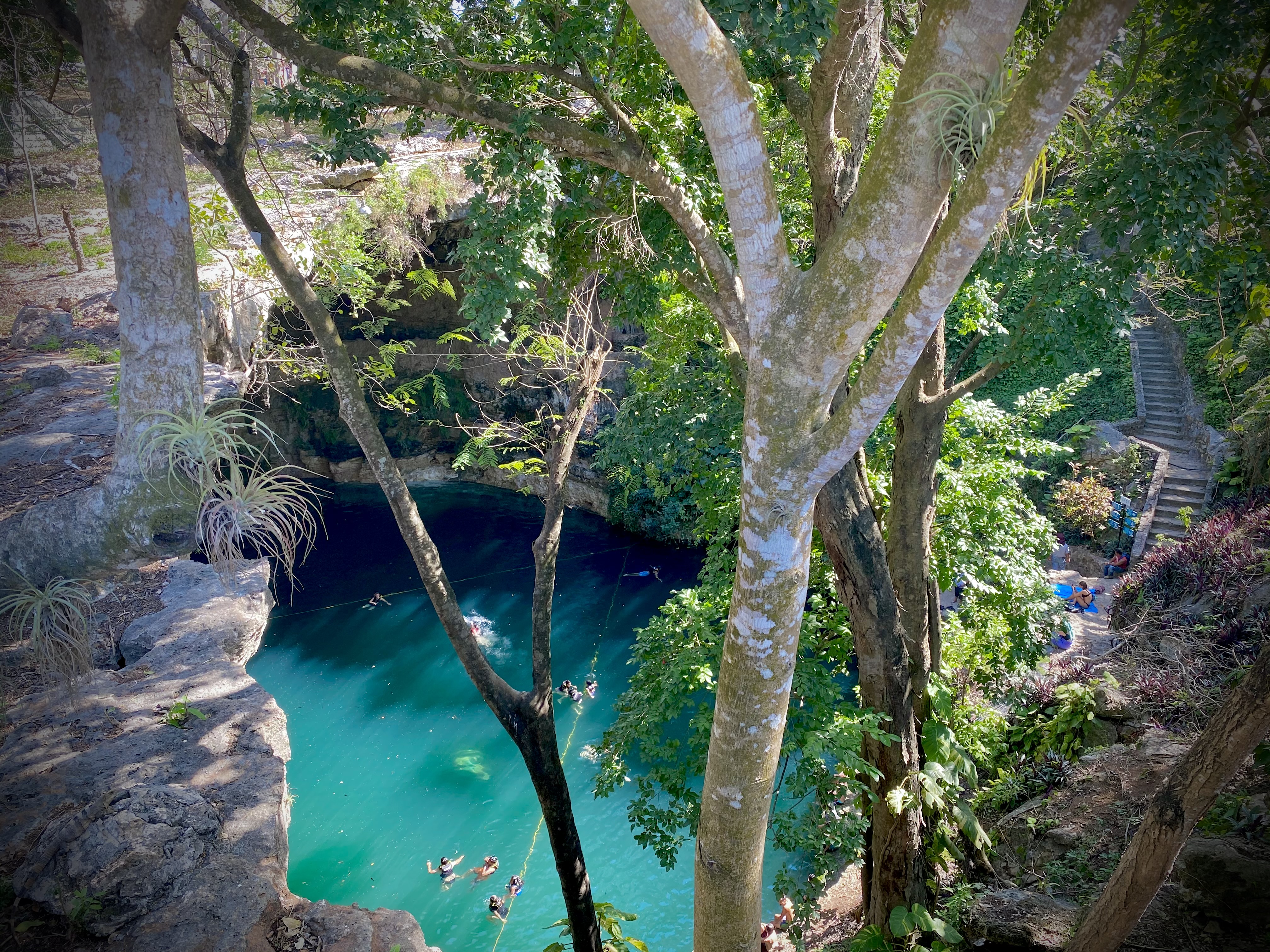
The water temperature sits at an invigorating 25°C (77°F). If you're feeling adventurous, walk up to the carved stone jumping platforms. Leaping from the 5-meter ledge into the 80-meter-deep jade water will instantly recharge you from the tropical heat. Watch schools of black Mayan catfish glide past as sunlight cuts through the cavern mouth.
12:45 PM: Artisanal Lunch at Mercado Municipal Donato Bates
Dry off and stroll four blocks northwest to Valladolid’s lively public food market, the Mercado Municipal Donato Bates Herrera (Calle 32 por 35 y 37). Head directly to the food court section (*sección de comidas*) where local Mayan abuelas prepare culinary treasures over smoking comales.
Pull up a plastic stool at one of the family stands (such as Cocina La Guadalupana). Order freshly pressed panuchos and salbutes topped with shredded slow-roasted turkey, pickled red onions, and ripe avocado. Try the regional specialty: Lomitos de Valladolid, tender diced pork simmered in an earthy tomato-garlic broth laced with chopped hard-boiled egg whites. A full feast with fresh tamarind or jamaica juice costs less than 90 to 120 MXN (~$5.00 – $6.50 USD).

02:00 PM: The Folk Art Treasures of Casa de los Venados
Walk three blocks south to Casa de los Venados (Calle 40 No. 204 entre 41 y 43). This private 18,000-square-foot restored colonial mansion houses the largest private museum collection of contemporary Mexican folk art in the world—over 3,000 museum-quality pieces collected over 35 years by American philanthropists John and Dorianne Venator.
Casa de los Venados Visiting Details
Public guided tours depart promptly at 2:00 PM in English and Spanish. While admission is described as a suggested charitable donation of 100 MXN (~$5.50 USD) per person, treat it as a fixed entry fee. 100% of collected proceeds are donated directly to regional Valladolid healthcare charities and clinics. Photography without flash is encouraged.
04:30 PM: Golden Hour Stroll along Calzada de los Frailes
As the afternoon heat softens, walk southwest to the start of the Calzada de los Frailes (Calle 41A starting at Calle 46). This 500-meter cobblestone avenue was originally laid out in the 16th century to link the Spanish colonial settlement with the indigenous Mayan village of Sisal.
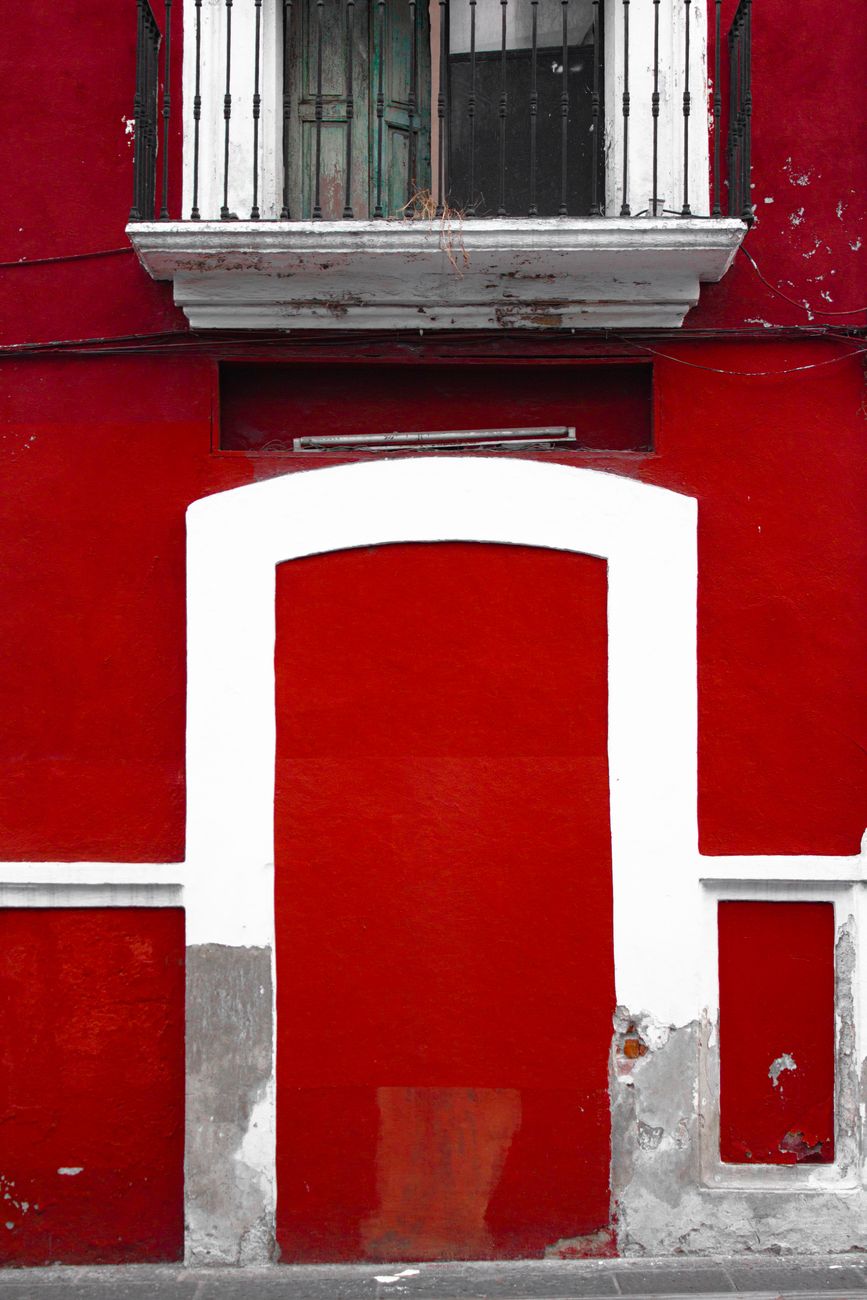
Today, the Calzada is one of the most picturesque streets in Latin America, lined with pastel-pink, mint-green, and ochre townhouses housing curated lifestyle boutiques, artisanal chocolateries, and stylish open-air cafes:
- Coqui Coqui Perfumería: Step inside this world-famous boutique perfumery housed in a lavish 1920s salon. Sample artisanal scents inspired by the Yucatán jungle—including Tabaco, Orange Blossom, and Flor de Mayo.
- Kuxtal Café & Concept Store: Stop for an espresso tonic or an iced cold brew made from organic Chiapas beans while admiring fair-trade embroidered textiles.
06:30 PM: Sundowners & Street Marquesitas in Sisal Plaza
The Calzada terminates at the broad, grassy plaza of the Barrio de Sisal. Take an outdoor table at Yerbabuena del Sisal or the courtyard of Mesón del Marqués for a refreshing craft mezcal cocktail infused with cucumber and habanero. Afterward, find a street cart parked near the lawn to try a freshly prepared marquesita (a crispy, rolled waffle crepe cooked hot on a cast-iron press, traditionally filled with savory Dutch Edam cheese / queso de bola and sweet Nutella for 45 MXN).
09:00 PM: Free Video Mapping Show at Convento de San Bernardino
Take a seat on the stone wall facing the monumental 1552 fortress-monastery, the Convento de San Bernardino de Siena. Every evening (weather permitting), the municipal government projects a spectacular multimedia light and sound show (Noches de Valladolid) across the vast 100-meter stone facade.
Convento Projection Mapping Schedule
- Spanish Projection: 9:00 PM sharp (20 minutes).
- English Projection: 9:20 PM sharp (20 minutes).
- Cost: 100% Free. Sit anywhere on the open lawn.
- Historical Narrative: The show traces the pre-Hispanic Mayan foundation of Saki', the bloody Franciscan spiritual conquest, the 19th-century Caste War (Guerra de Castas), and the Mexican Revolution. It is an unforgettable visual finale to your first day.
Day 2: Ancient Wonders, Rope Swings & Ancestral Mayan Feasts

06:45 AM: Early Colectivo Departure to Chichén Itzá
Set an early alarm! Review our detailed Valladolid to Chichén Itzá transit guide. Walk to Calle 39 between Calles 46 and 48 by 7:00 AM. Board the white shared passenger minivan (colectivo), pay your 40 MXN cash fare, and relax as you make the 45-minute drive along Highway 180 Libre.
08:00 AM – 11:00 AM: Chichén Itzá Crowd-Free Exploration
Arrive at the gates at 7:50 AM to purchase your combined 643 MXN (~$35.00 USD) INAH and CULTUR tickets. Step through the turnstiles right as they swing open at 8:00 AM:
- 08:05 AM: Stand in the Great Plaza before the Pyramid of Kukulkán (El Castillo). You will experience this New Wonder of the World in near-total silence. Take unobstructed, clean photos before the midday crowds arrive.
- 08:45 AM: Walk into the Great Ball Court, the largest pre-Columbian playing field in the Americas. Clap your hands once beneath the stone temple to hear the astonishing seven-fold acoustic echo reverberate across the 168-meter court.
- 09:30 AM: Explore the Temple of the Warriors, the Group of a Thousand Columns, and follow the ancient limestone sacbé path through the jungle to the Sacred Cenote (Cenote Sagrado), where ancient Maya cast gold, jade, and sacrificial offerings to Chaac.
- 10:30 AM: As hundreds of massive tour buses from Cancún begin unloading thousands of tourists into the parador, exit through the turnstiles and catch the waiting return colectivo back to Valladolid.
11:30 AM: Cenote Hacienda Oxman & The Legendary Rope Swing
Upon arriving back in Valladolid, either hire a taxi for 60 MXN or rent a cruiser bicycle from your hotel to head 4.5 kilometers south to Cenote Hacienda Oxman (located on the grounds of historic 18th-century Hacienda San Lorenzo Oxman).

Cenote Oxman Ticketing Options
- Basic Ticket: 150 MXN (~$8.00 USD) entry to cenote and life jacket.
- Plus Package (Recommended): 300 MXN (~$16.50 USD), which includes your cenote admission PLUS a 200 MXN food and drink credit at the poolside restaurant!
Cenote Oxman is a breathtaking open-top cylinder sinkhole. Massive tropical tree roots drape 25 meters down vertical rock walls into deep, crystalline cobalt-blue water. The main attraction is the famous Tarzán rope swing. Grab the wooden knotted rope, run off the wooden deck, swing high out over the turquoise pool, and release into the refreshing water below. Afterward, relax by the hacienda's surface swimming pool with a cold cerveza Montejo and freshly made guacamole.
03:30 PM: Colonial Architecture & San Roque Museum
Head back to central Valladolid to freshen up at your hotel. In the late afternoon, take a leisurely stroll down Calle 41 to visit the Museo Regional de San Roque (Calle 41 No. 193 entre 38 y 40). Housed inside a 16th-century Franciscan cloister that previously served as a hospital and colonial fortress, this quiet museum displays pre-Columbian Mayan jade beads, pottery discovered in local cenotes, and historical documents detailing the bloody 1847 Maya peasant uprising known as the Caste War. Admission is free.

06:30 PM: Gastronomic Grand Finale at Ix Cat Ik
Conclude your 48-hour stay with the ultimate Yucatecan dining experience at Ix Cat Ik Traditional Mayan Cuisine (Calle 31 No. 198 por 40 y 42). Ix Cat Ik is not merely a restaurant; it is a living cultural sanctuary dedicated to preserving pre-Hispanic Mayan cooking techniques.
Upon arrival, your host guides you through their private organic vegetable garden to witness the ancient pib—an underground earth oven lined with hot volcanic stones and banana leaves where meats are slow-smoked for 12 hours. Inside the open-air thatched dining palapa, watch indigenous Mayan women hand-pat heirloom maize tortillas on clay comales.
What to Order at Ix Cat Ik
- Sopa de Lima: Fragrant shredded turkey soup infused with charred Yucatecan sweet limes, crispy tortilla strips, and sweet peppers.
- Relleno Negro: Tender pork braised in an intensely complex, dark paste made from roasted local chiles (recado negro), served with hard-boiled eggs.
- Pollo Pibil: Chicken marinated in bitter Seville orange juice and ground achiote seeds, wrapped in banana leaves and slow-cooked in the underground earth pit.
- Drink: An authentic cup of Mayan hot chocolate infused with raw honey, chili, and allspice.
Practical Logistics for Your 48 Hours in Valladolid
- Where to Stay: For maximum convenience, book a boutique colonial mansion within three blocks of the Parque Principal (such as Hotel Mesón del Marqués or Le Muuch Hotel). If you prefer quiet romance, stay along the Calzada de los Frailes or facing the convent lawn in the Barrio de Sisal.
- Navigating the City Grid: Valladolid is laid out on an easy numerical grid: odd-numbered streets run east-west; even-numbered streets run north-south. Addresses list the street and intersecting cross-streets (e.g., Calle 39 por 46 y 48 means Calle 39 between 46 and 48).
- Cash vs. Credit Cards: While boutique hotels and upscale restaurants accept credit cards, carry at least 1,500 MXN in cash per person for colectivos, market food, INAH ticket booths, and cenotes. Reliable ATMs (Santander, BBVA, Banamex) are located around the perimeter of the main plaza.
- Getting Around: Walking is best for downtown. Taxis within city limits charge a flat rate of 40 to 50 MXN; confirm the price before boarding.
Red Flags & Common Itinerary Traps to Avoid
- Sleeping in on Day 2: Departing for Chichén Itzá at 9:30 AM is the single biggest itinerary mistake. You will arrive at 10:45 AM right behind 80 massive coastal coaches, face 45-minute ticket queues in 36°C heat, and find the Great Plaza completely packed. Board the 7:15 AM colectivo—it makes all the difference!
- Using Chemical Sunscreen in Cenotes: Eco rangers at Cenote Zací and Oxman enforce strict bans on chemical sunscreens. Wear a UPF rashguard instead.
- Unregulated Street Touts: Ignore unsolicited street touts on the plaza offering "VIP Chichén Itzá tours" or "exclusive cenote bracelets." Book directly with licensed operators or explore independently using our verified guides.
Frequently Asked Questions: 2 Days in Valladolid
Can I add Ek' Balam to this 2-day itinerary?
Yes. If you prefer off-the-beaten-path ruins over Chichén Itzá, you can swap Day 2 morning for Ek' Balam. Shared 4-passenger colectivos to Ek' Balam depart from Calle 37 No. 202 (70 MXN per seat). Ek' Balam features the Acropolis pyramid, where you can still climb stone stairs to view the winged warrior plaster reliefs.
How do I get to Valladolid from Cancún or Tulum?
First-class ADO coaches run frequently from both Cancún (2 hours, 280-340 MXN) and Tulum (1 hour 40 minutes, 180-220 MXN) directly into the Central ADO Terminal on Calle 39. In addition, the high-speed Tren Maya connects Cancún Airport directly to Estación Valladolid in roughly 1 hour and 45 minutes.
Is Valladolid safe for solo travelers and families?
Yes. The state of Yucatán consistently ranks as the safest state in Mexico, with violent crime rates comparable to rural Canada. Valladolid is remarkably peaceful, clean, and welcoming. Walking through the historic center or along Calzada de los Frailes at 10:00 PM is safe and common for locals and tourists alike.
Editorial Note from Mateo Valero
"When people ask me what makes Valladolid so deeply captivating, I tell them it's the rhythm of life here. In 48 hours, you go from floating beneath subterranean stalactites to standing in awe before ancient Mayan pyramids, strolling pastel colonial boulevards at sunset, and tasting recipes that have been passed down in Mayan kitchens for over a thousand years. Follow this itinerary, wake up early, and you'll experience the very soul of the Yucatán."
Read Author Principles & Methodology →